























































On Oct. 14, Walmart officially announced a partnership with OpenAI to integrate automations into online shopping experiences, allowing customers to directly order and purchase items from ChatGPT. Rapidly infiltrating modern life, AI is now being incorporated into retail businesses, tasked to streamline online orders. However, Walmart must consider the ethical implications of its reliance on AI, and prioritize protecting its customers and employees, rather than blindly relying on tools that risk data exposure and job displacement.
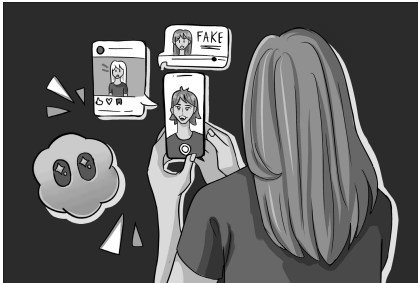
Beyond technical reliability lies an issue: manipulation disguised as innovation. Walmart’s use of AI tools appears to be “consumer-friendly,” but it opens a door to mass data collection and profiling. ChatGPT’s Deep Research feature, connecting to accounts like Gmail, comes with a “zero-click” vulnerability, allowing data to be extracted from accounts without user interaction. Attackers can steal sensitive data by redirecting users through a single, invisible prompt. Rather than empowering consumers, AI retail systems consolidate power in corporate hands, giving Walmart unprecedented access to personal data and purchasing patterns.
AI is currently replacing numerous human workers in cognitive and manual labor; with automated tools and machinery taking jobs, employees who depend on their income for financial stability and survival, will face difficulties with job security. Walmart and OpenAI’s partnership increases a reliance on artificial intelligence, threatening to make many positions—such as customer service and managing roles—obsolete and resulting in significant job displacement.
Replacing workers with AI not only strips away the empathy customers value but also reshapes the nature of service into something impersonal and mechanical. With Walmart’s integration of OpenAI, interactions once handled by real employees are now filtered to mimic understanding rather than truly provide it by automated tools.
Nevertheless, supporters of the partnership between Walmart and OpenAI claim the integration of AI tools may suitably provide standardized, reliable responses at scale, allowing companies to serve customers faster and more efficiently — a necessary evolution to meet customers’ demands and maximize profits. However, this shift reduces human oversight — the very safeguard that ensures communication remains ethical and context-aware. While an AI system can respond to basic inquiries, it cannot interpret frustration, compassion, or cultural nuance the way a trained employee can. While automation may offer short-term efficiency, preserving human oversight remains essential to maintaining ethical and meaningful customer engagement.
By prioritizing convenience over conscience, Walmart risks undermining the trust of its consumers and the livelihoods of its employees. While innovation can advance retail operations, it must never come at the expense of privacy and dignity in the workplace. Before handing complete control of Walmart over to AI, they must reconsider whether ethical standards and human judgment should continue to be sacrificed for the sake of efficiency and profit.