


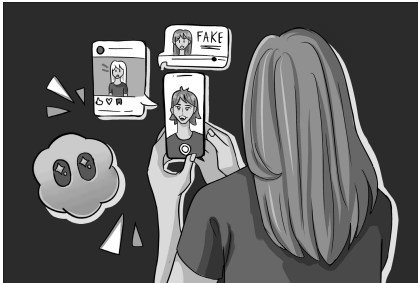


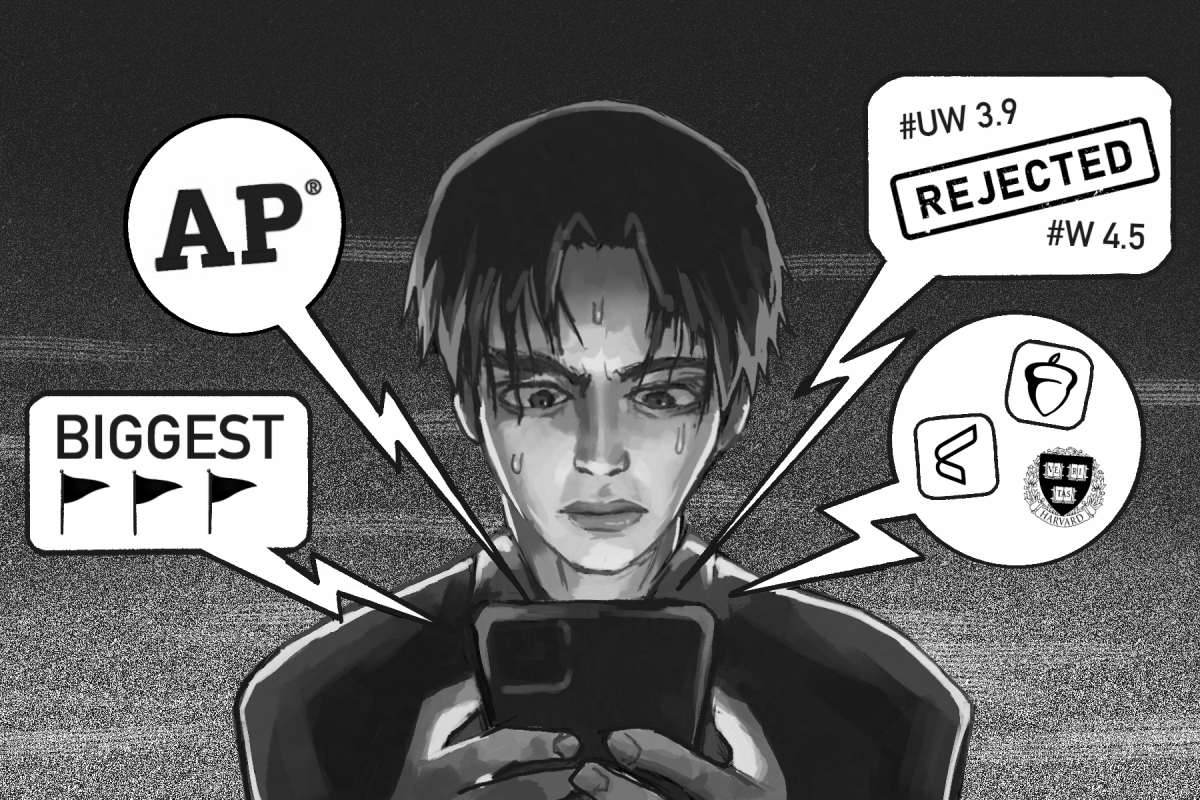































Social media has built a hypercurated image of the ideal college applicant: a student with perfect grades, extensive extracurriculars, and a large-scale passion project they started freshman year. As students scroll, they encounter countless videos claiming to reveal the perfect college application blueprint — often exaggerating the stakes, warning of “red flags” that could break an application, and peddling paid services to avoid disaster, which ultimately encourage inauthenticity.
While college admissions-focused social media influencers present themselves as accessible guides through the confusing college admissions system, their fearmongering does more harm than good. By overdramatizing the application process, they create misinformation and exploit high school students’ fear, capitalizing off of this panic through their own pricey assistance programs.
Influencers increasingly sensationalize the college application process, fearmongering over definite red flags that will break one’s application. TikToker Elise Pham, known by her username Ultimate Ivy League Guide, posted a video in 2025 about a Common App policy that can terminate one’s account and all of their applications if they’re suspected of using AI. In December 2025, Common App made a video refuting her claims, explaining their in-depth fraud policy, which must be facilitated by an official report with evidence and involves the accused student throughout the process.
Videos under the guise of “advice” promote a formulaic approach to college applications only based on these creators’ personal experiences. Such content only adds stress to a process that is already confusing and unclear to high school students. They generate panic amongst students, making them feel insecure about their applications that are ‘imperfect’ by a standard curated to a fault. Without a flashy ‘passion project’ or prestigious internship, students are taught that their applications cannot stand out. Yet there is no formula for college admissions; admissions are increasingly holistic, considering a student’s background, context of their high school, recommendations, character, and how they will fit into the college class and overall community. While certain extracurriculars are beneficial in showing a student’s maturity and intellectual curiosity, there is no one-size-fits-all solution to college admissions, despite what influencers allege.
The same social media influencers who perpetuate misinformation to create anxiety then exploit it, ending their videos by promoting college consulting businesses that charge for assistance. Many use their own education at a prestigious university to market themselves as credible sources of insight on the application process. Even if these influencers were accepted to highly ranked institutions themselves, the vast majority lack the personal insights of an official admissions officer, making their advice speculative at best. Ultimately, students end up paying high prices for guidance built on the same fear and uncertainty these influencers helped create.
Some may argue that these influencers offer free support on TikTok and are attempting to support others based on their own journeys. While social media has created more accessible information to college application support, from polishing activities lists to sharing admissions information, these influencers also have a responsibility to their audience solely to educate rather than create anxiety. Influencers must be conscious of the content they push out and give out, with objective information instead of sensationalized advice to profit from. In lieu of paying for these influencers’ services, students should turn to free community options, such as discussing with their teachers and counselors or programs like Advancement Via Individual Determination (AVID) — classes for students to prepare them for college eligibility. Beyond so, students should explore their genuine interests instead of feeling pressured to fit a mold. By visiting campuses, discussing classes with their counselors, and speaking to admissions officers at visits, they can understand the campus culture and priorities better, tailoring their application and connecting their interests and achievements to the universities.
College application influencers must share responsible admissions information, helping students without striking fear that their application is “imperfect” and will be automatically rejected by admissions officers. Students must also be more mindful of the content they consume and approach influencer advice critically, especially before booking their services.