




















































California’s food banks underwent significant funding cuts in 2025, a decision which continued into the present year. Federal cuts to CalFresh (SNAP) and SNAP-Ed took effect on Sept. 30, 2025. These programs have been used for local food purchases and nutrition education and the sudden steep decrease in the budget impacts millions of households in California.
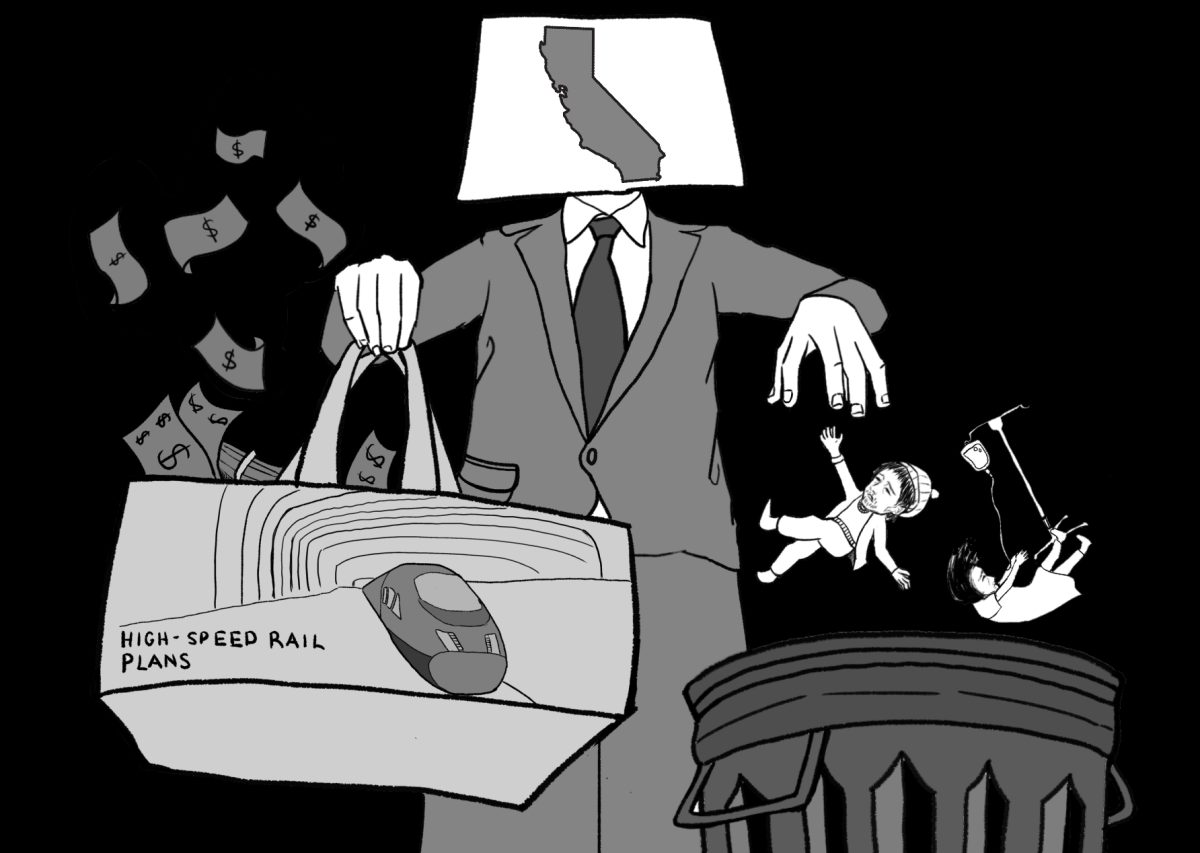
The 2026-2027 state budget proposal had reduced CalFood funding from $72 million, which had been an all-time high, back to a $8 million baseline. CalFood is a program that allows food banks to buy directly from local farmers, providing fresher and more nutrient-dense produce to customers while also boosting the local economy. Due to the new budget, the program will now see a decrease of over $60 million from the previous year’s funding levels, leaving little time for the program to adjust to the sudden change.
Other similar programs are being impacted as well, including CalFresh, California’s version of the federal program Supplemental Nutrition Assistance Program (SNAP). CalFresh provides federally funded nutrition assistance to low-income families and individuals in California who earn less than 200 percent of the federal poverty level for qualification. According to the Legislative Analyst’s Office, about 5.5 million Californian households received a total of over $12.5 billion in CalFresh benefits with an average monthly benefit of $192 per person in the 2024-25 season. These programs’ administrative costs had initially been covered majorly by the federal government: 50%, and then 35% by the state and 15% by counties. As the federal government decreases its responsibility in the budget, state and county proposals are forced to suffer or suddenly make up for the loss.
The state budget proposal included a $47 million federal grant cancellation that was expected in March 2026; the cuts were also driven by a $3 billion state budget gap. The immense and sudden cut in funding threatens to significantly reduce food purchases and distribution. As the year progresses, families in the state of California will be left having to adjust to the difficulties of accessing food and produce.
“We are now faced with the possibility that our food pantries across the country could see a delay in services in our families’ greatest hour of need,” said Senate President-Elect Monique Limón.