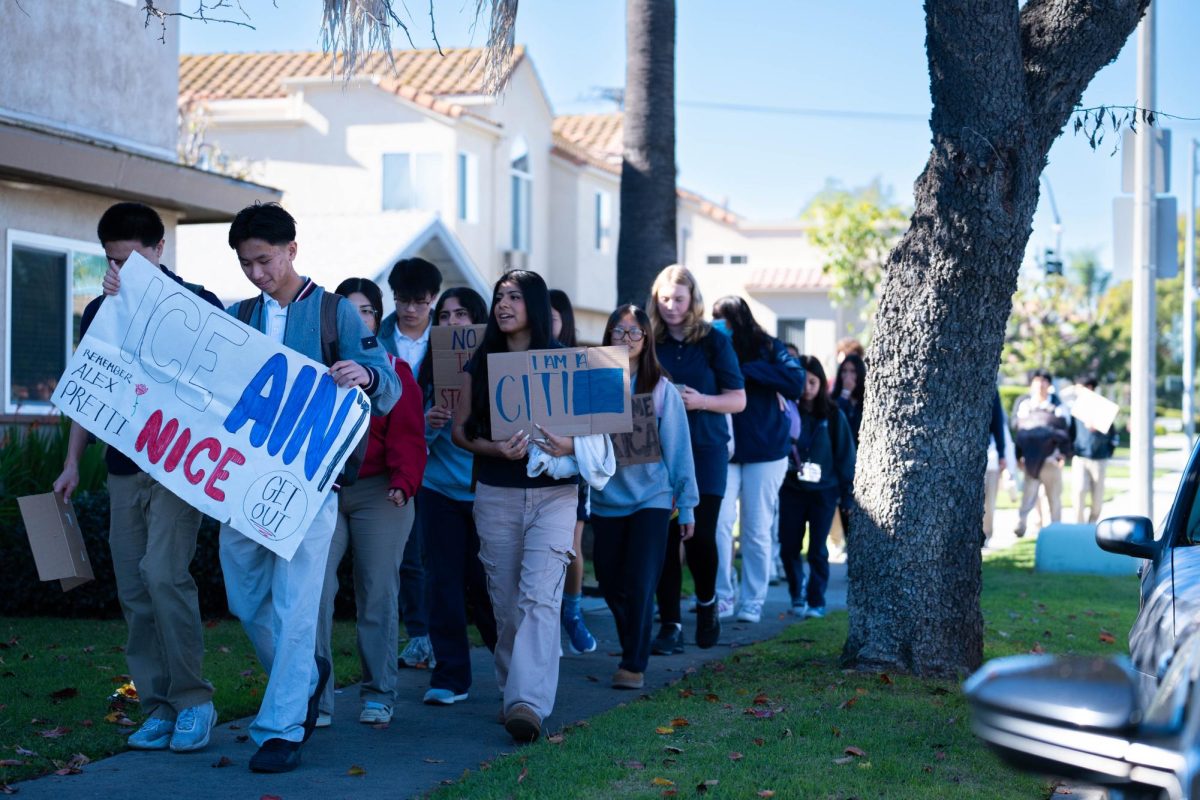

















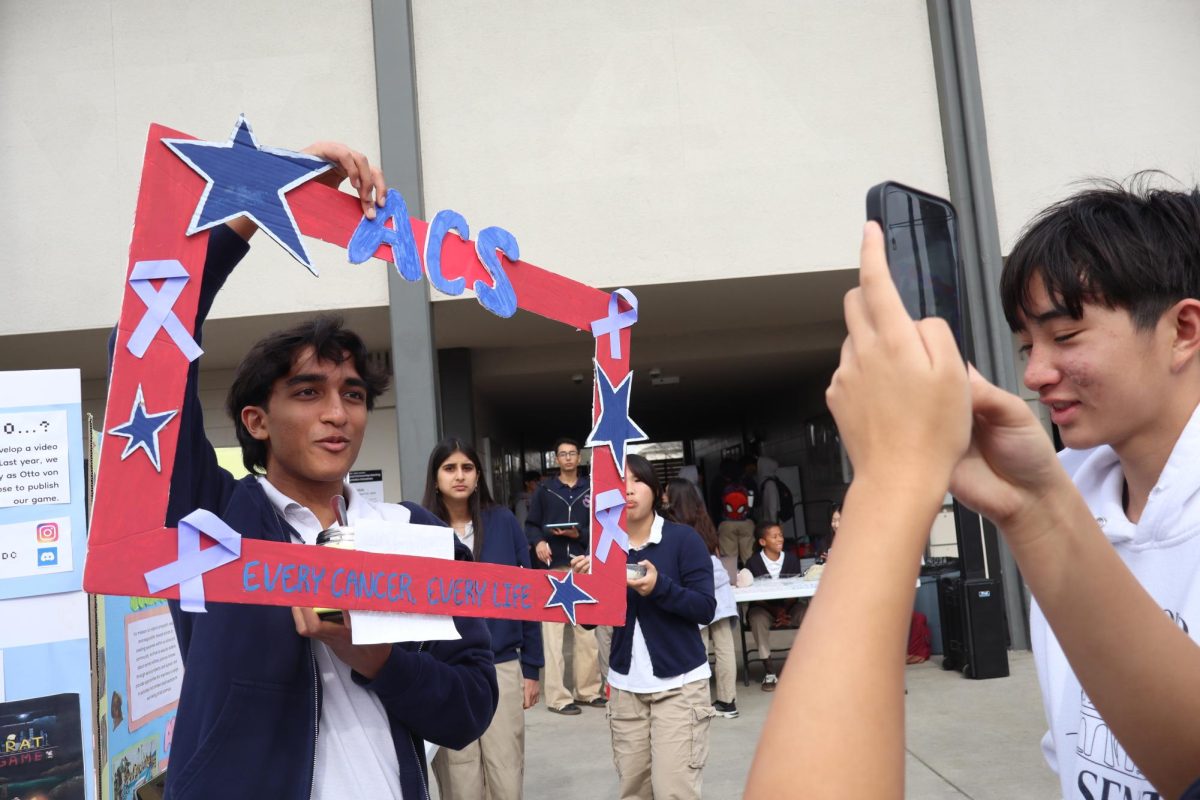























On Thursday, April 23, the Orange County Asian and Pacific Islander Community Alliance (OCAPICA) held its ROOTED Activism Showcase at Savanna High School. The showcase served as a capstone for ROOTED Youth Leadership and Development Fellowship’s Spring 2026 fellows — 29 AUHSD students — who worked on a social justice project throughout the program and presented their research and calls to action to peers, families, and community members.
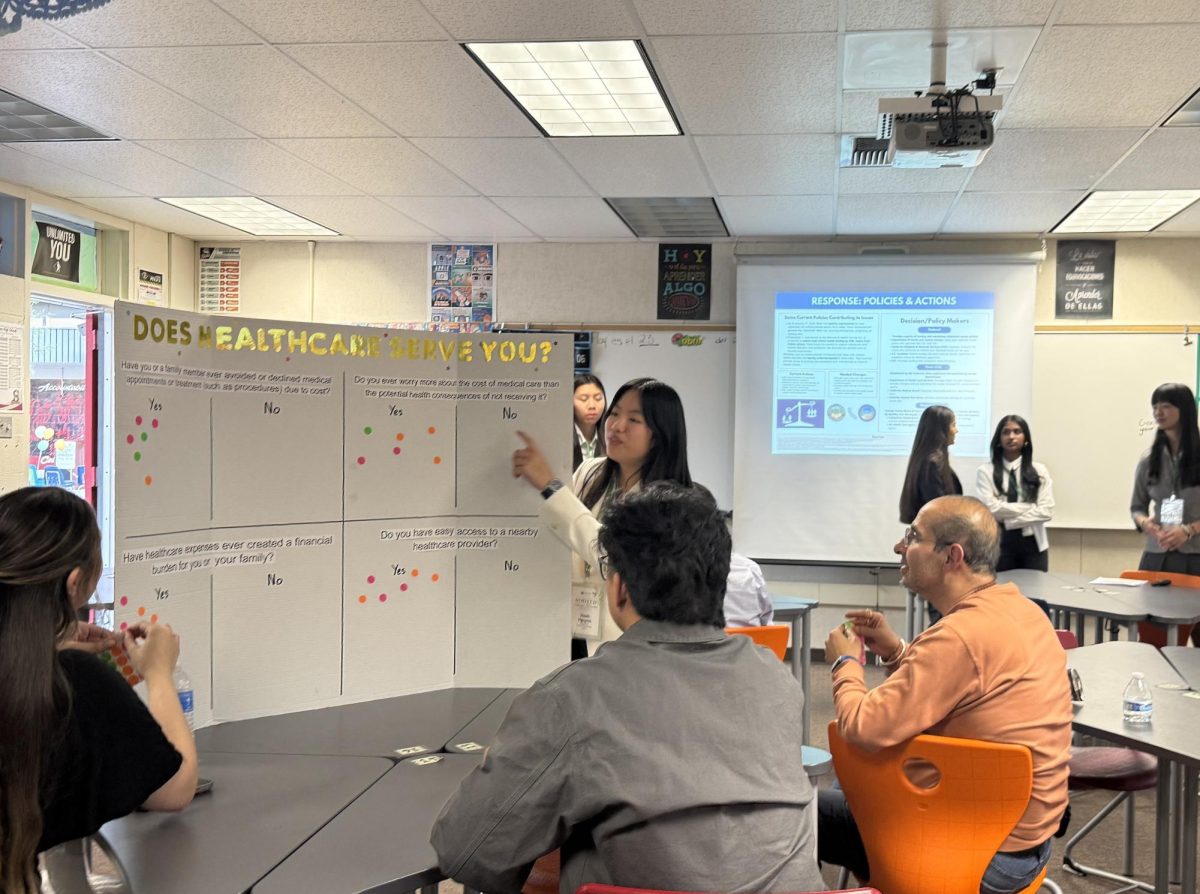
Throughout the fellowship, students worked in groups to research pressing local and systemic issues before creating projects — from informational posters and pamphlets to interactive presentations — designed to advocate for change. Topics included health equity, educational equity, student opportunities, housing justice, food security and homelessness prevention, racial justice and immigration rights, disability justice, and substance use prevention.
Many students selected issues they were personally connected to. Sophomore Hanh Nguyen, whose group focused on healthcare equity and affordability, said the topic was especially meaningful to her due to her immigrant family’s experiences.
“[The topic] was personal to me because of the challenges my own family faced when trying to find suitable health coverage after we first moved to the United States,” said Nguyen.
Several groups explored disability justice through the lens of education. Freshman Claire Cho said her group’s interest in disability rights in education was influenced by their own family experiences.
“We chose to present about disability rights in education because my group member had a sister in that community,” said Cho. “I also have a cousin with autism who has had difficulties receiving accommodations from schools, which was what made me interested.”
Similarly, junior Rachel Poluan shared her project, inspired by her older sister who has a cognitive disability.
“I’ve grown up hearing stories of how [my sister] struggled in the classroom and the harassment she experienced because she didn’t have the resources or services needed to support her education,” said Poluan. “It was heartbreaking to think about other similar stories that other families have.”
ROOTED encouraged student fellows to make their projects both informative and engaging. Cho’s group presented a newspaper informing audiences about disability rights in education, alongside interactive activities that helped involve their audience.
“Our presentation began with a topic explanation, and then we did an interactive activity with whiteboards and quizzed the people in our presentation room,” said Cho. “It was fun to host our interactive activities and showcase our creative representation.”
After completing the ROOTED program, fellows can return for a second year as advisors, as junior Julia Cayabyab did to support this year’s cohort and mentor new participants. Cayabyab says her past two years in ROOTED have evolved her personal definition of activism.
“I started ROOTED not knowing the importance of activism and the impact it has on our community, specifically Orange County,” said Cayabyab. “The lectures discussing social justice and civic engagement have prompted me to understand what activism creates and how it encourages others to speak on various social issues.”
Now serving as an advisor for this year’s cohort, she noted how meaningful it has been to see students engage with their chosen topics and develop their own understandings of activism.
“It’s so amazing to see all the students think deeply about what social issue they want to shine light upon, considering that it most likely resonates with their values as well,” said Cayabyab.