




















































amela Bondi, former Attorney General under the Trump administration was fired on April 2, following what the administration called an “unsatisfactory” handling of the Epstein files. Joining Kristi Noem as the only two cabinet members to have been removed from their positions, Bondi’s firing reveals that women are at the forefront of President Trump’s ire. In an administration riddled with equally controversial male officials, the firings of Bondi and Noem point to a misogynistic double standard within Trump’s inner circle.
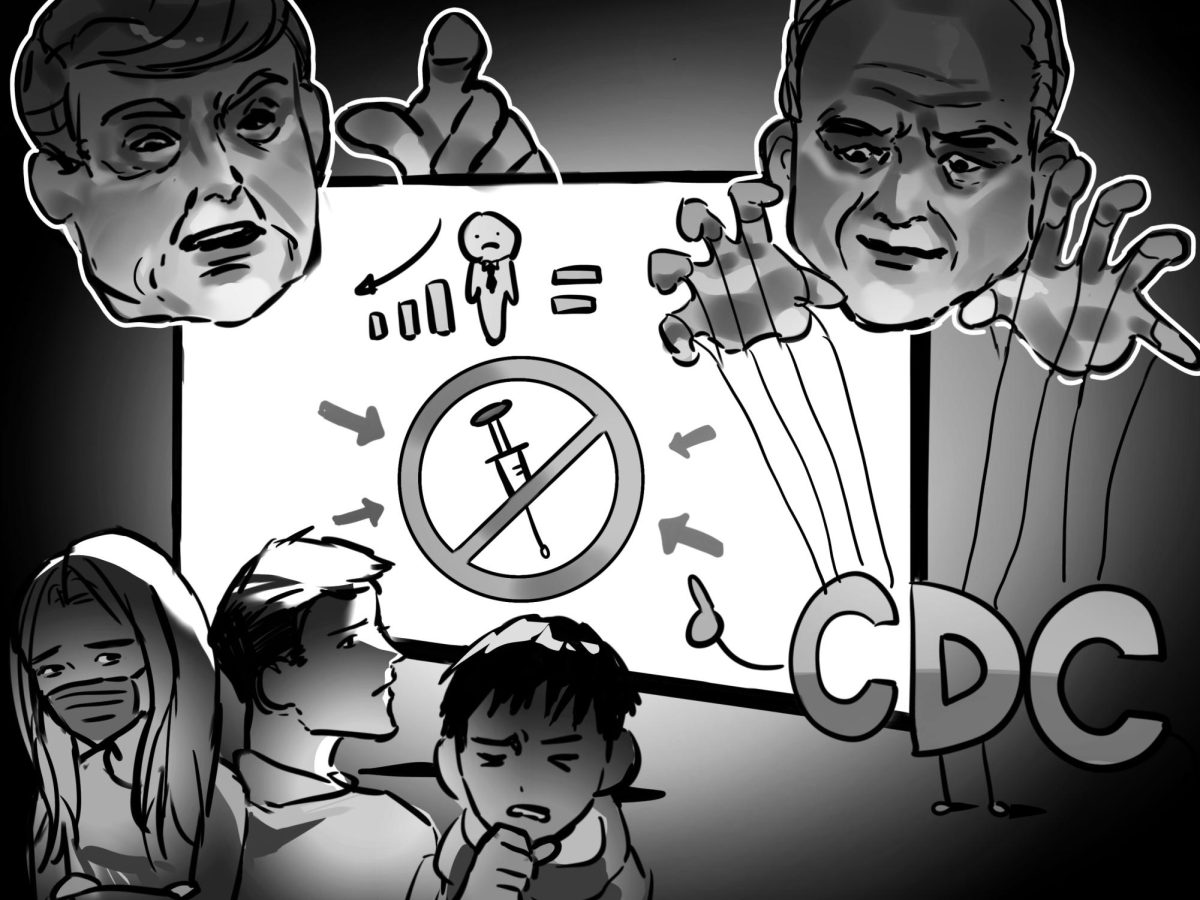
While Bondi and Noem being removed from their positions was wanted by the general public for their gross misconduct and prioritization of the Trump administration over the nation, they are one of few cabinet members who deserve to lose their jobs. Officials like Federal Bureau of Investigation Director Kash Patel, Secretary of War Pete Hegseth, and Secretary of the U.S. Department of Health and Human Services Robert F. Kennedy, have consistently headlined papers for misusing government resources, facing allegations of sexual misconduct, and for spreading false information regarding children’s vaccines. These men who remain in office should be summarily dismissed as well, and yet they have been relentlessly defended by party supporters and the administration itself.
“I see a theme,” said Texas Democratic Congresswoman Jasmine Crockett on social media, “He will throw the incompetent women under the bus a lot faster than the incompetent men.”
With at least 28 women coming out to accuse President Trump of various forms of sexual misconduct since the 1970s, questions about his respect for women in his personal conduct have persisted. Many critics argue that these concerns align with broader critiques of how women are regarded during his presidency. It reveals the larger theme of women in politics who are often scapegoated, forcibly kept quiet, and used as convenient sacrifices at the Trump administration’s discretion.
Supporters of the Trump administration have argued that the firings of Noem and Bondi were made regardless of gender as a way to spur higher performance reviews, or for a “reset” in the justice system before the upcoming midterm elections. However, when viewed in the context of an administration mired in controversy after controversy, this reasoning loses all substance. Similar scrutiny must be directed towards all senior officials or it is discriminatory by outcome.
Individually, the firings of Bondi and Noem may be justifiable, but when strict accountability is only demanded from women, it reveals a pattern. Within the Trump administration, their firings reflect how women in power are more quickly expendable under political pressure.