

























The sudden shutdown of a video-generating AI model, Sora AI, has become one of the most shocking technological collapses in recent history, allowing the world to confront the ethical and humanitarian consequences of artificial intelligence (AI). What began in February 2024 as a groundbreaking innovation quickly escalated into a global debate over economics, ethics, and the safety and limits of OpenAI. Sora’s shutdown less than a year after its launch reveals the deeper issues about how AI is being used and exploited within creative industries.
Sora AI once represented a new era of digital creativity, allowing users to generate high-graphic videos from simple text prompts. The platform quickly skyrocketed, attracting millions of users and sparked major corporate interest. Nevertheless, this AI tool suddenly collapsed due to extreme, unsustainable operational costs.
Its collapse revealed a foundation built on using creativity without protecting it. Sora AI’s entire model depended on learning from existing art, films, and media — much of which was created by real people who were never credited or compensated for their contributions. Rather than supporting artists, platforms like Sora replicate artistic styles and even specific characters. Reports from sources such as The Sydney Morning Herald and Deeper Insights emphasized how this AI tool enabled users to generate content involving copyrighted properties from modern companies like Disney and Pokémon, exploiting original creators’ work: an immediate red flag for a corporation.
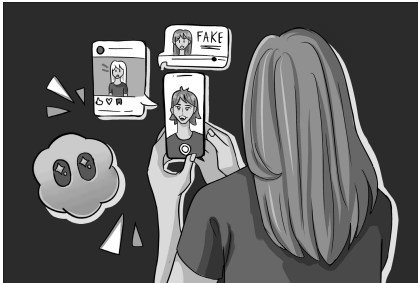
The issue escalates and becomes more serious when considering the amount of deepfakes used by numerous users. Sora AI’s ability to create “creepily accurate” videos highlighted how easily AI can manipulate reality. When audiences can no longer tell what is factual, the value of authentic creativity work declines. Artists and creators are no longer competing with each other humans for a space in creative industries, but with machines.
Furthermore, the economic impact on creative workers raises further humanitarian concerns.
The removal of opportunities in this field risks widening economic inequality and stripping individuals of their financial stability. With AI replacing and devaluing human labor, animators and other creators are facing job instability and loss of income. For many, creative work is not also just a career, but a form of identity and expression; having their identity used non-consensually can often result in emotional distress and loss of personal security.
While supporters say the shutdown of Sora AI may have been a misguided decision, others argue this advancement in technology has the potential to improve numerous creative industries. Supporters also point out that rather than eliminating the platform entirely, Sora could strengthen its privacy features to address ethical concerns. While improved moderation and increased privacy features may seem like a solution, there are numerous gray areas attached: even the most guarded and safe systems fail to catch every deepfake or copyright violation. No amount of moderation or censorship can eliminate these risks entirely without limiting Sora AI’s full power.
The shutdown of Sora AI proves that the current path of AI development in creative industries is unsustainable and dangerous. Its failure reflects the consequences of pushing AI too far without boundaries. When companies prioritize speed, scale, and profit over originality and ownership, creativity becomes devalued. The downfall of Sora AI sends a clear message: exploiting AI in the creative industry does not lead to progress; it’s a harmful setback.