



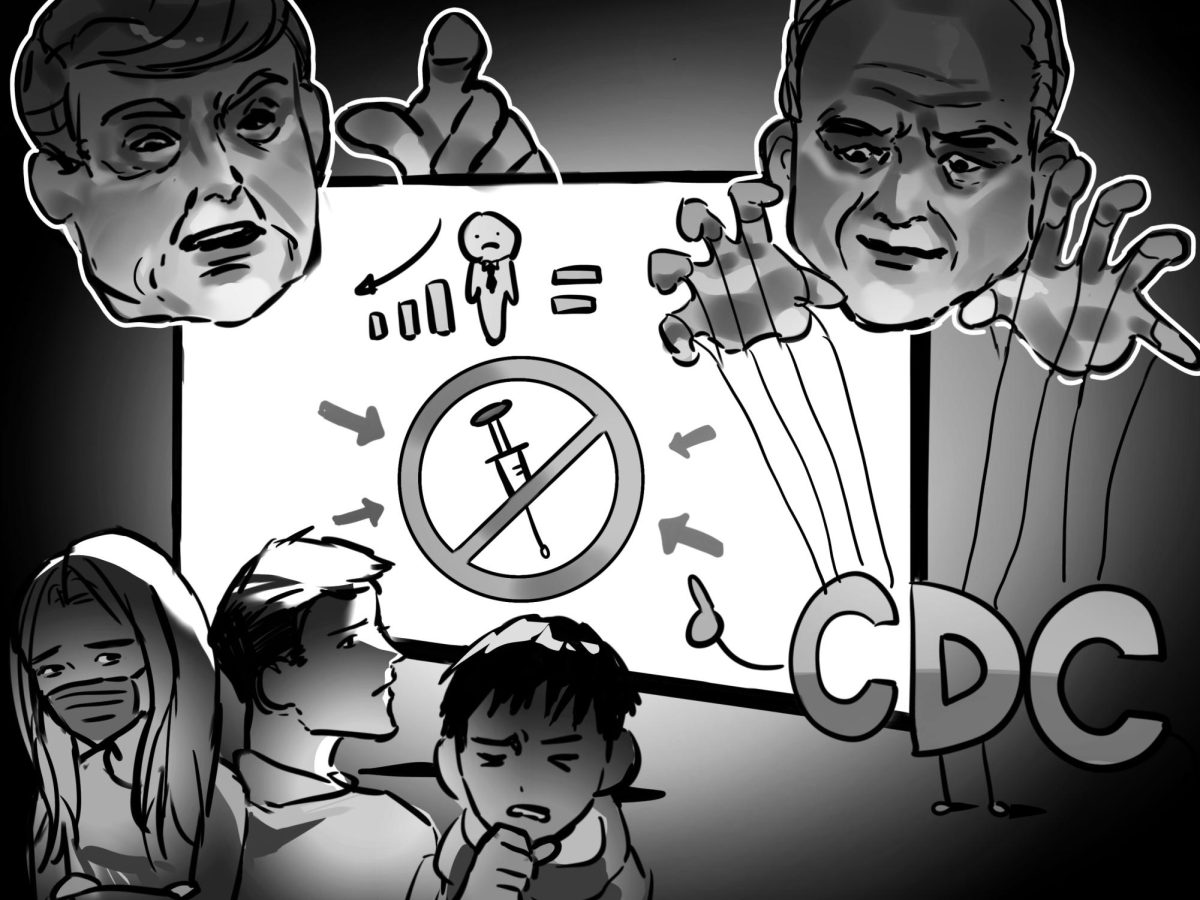












































As of April 1, federal diagnostic testing for rabies, measles, and other diseases temporarily paused, following a broad internal review of federal laboratory operations at the Centers for Disease Control (CDC). The pause affects 27 tests, raising urgent concerns about the implications of recent changes to federal public health governance. Diagnostic testing is not simply a peripheral function of public health; it is the foundation for identifying and detecting potentially disastrous outbreaks. By disrupting this system on a large scale, the government removes a fundamental layer of public health operations, reflecting a broader pattern of political influence overriding scientific infrastructure.
U.S. Secretary of Health and Human Services Robert F. Kennedy Jr.’s April 1st proposal also aims to reduce the CDC’s rabies team further from two to one qualified expert and pox virus team to none by July 2026. Rabies is a 100% fatal viral disease, yet extremely rare because of the hundreds of thousands of people and animals who vaccinate against it. Despite its rarity, the CDC still needs enough trained staff to respond quickly to exposures and coordinate with states. A single expert realistically cannot handle nationwide consults, outbreak tracking, and policy support simultaneously, making the decision unsustainable for effective public health response.
Some of the tests paused by the CDC are sold to healthcare providers or directly to consumers, while others like rabies require specialized labs (only in New York and California) that are not readily accessible to the public. These changes ultimately weaken public health, reducing the nation’s capacity to catch diseases before they spread.
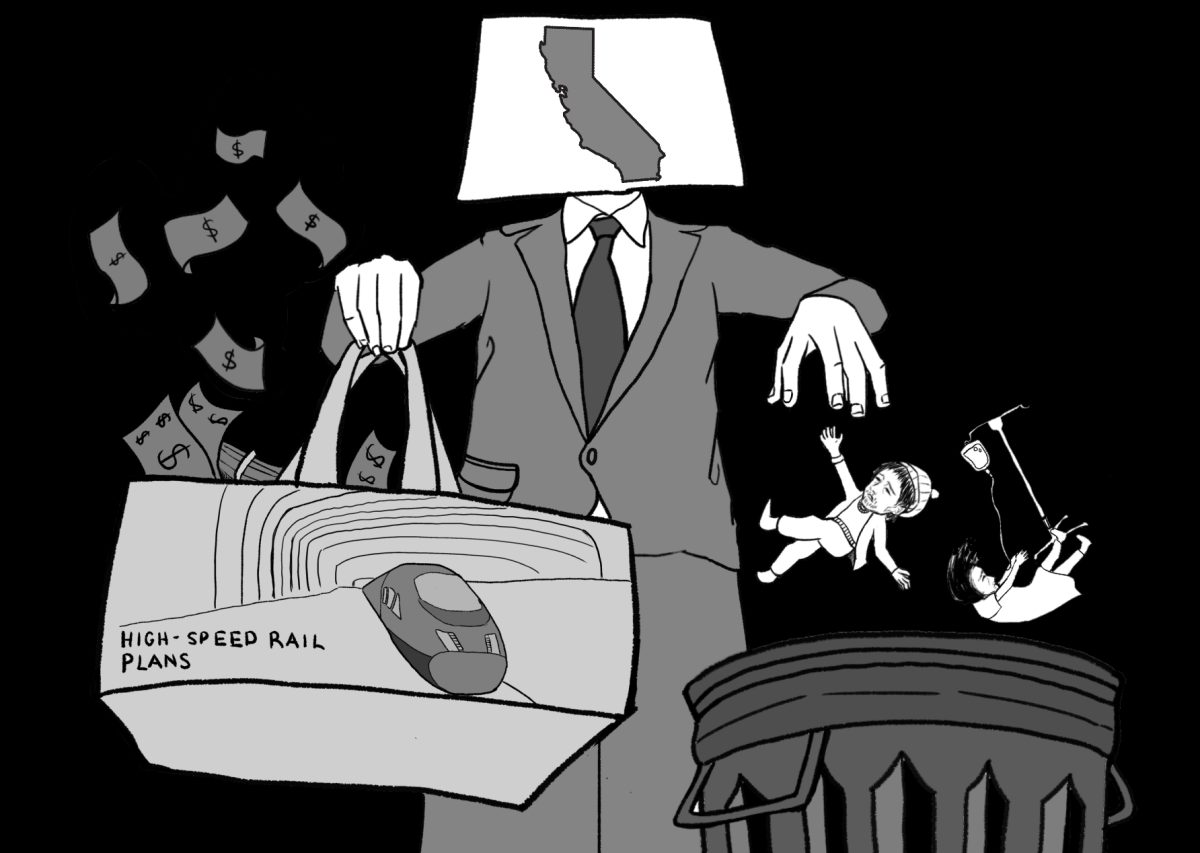
Decisions like these were made as a part of the ongoing Make America Healthy Again (MAHA) movement, led by Kennedy. The initiative aims to address the childhood chronic disease epidemic by tightening food safety standards, reducing environmental toxins, and reassessing vaccine safety. At the same time, it has been cutting federal health agency budgets since July 2025, affecting the CDC, Environmental Protection Agency, and the National Institutes of Health — the very same agencies responsible for studying environmental hazards, funding biomedical research, and tracking the kinds of public health risks the MAHA initiative claims to target. This becomes an initiative that claims to prioritize public health while actively weakening the federal agencies responsible for delivering it.
The April 3rd President’s Budget further exposes a trade off: funding is pulled from the NIH and CDC to support a dramatic $1.5 trillion dollar expansion in defense spending, largely driven by the war in Iran. For an administration that claims to support American health, it prioritizes a foreign conflict while deprioritizing domestic programs. It implicitly treats public health as secondary despite its impact on millions of Americans annually, exposing the country to more preventable diseases and avoidable losses of life. What appears on the surface as an administrative restructuring is, in practice, a political reordering of federal health priorities.
When viewed alongside sustained budget cuts, staff reductions, and priority shifts, it becomes clear that these cuts and disruptions in the CDC are not just part of an isolated, temporary laboratory review; they are the product of attention pulled away from domestic affairs in favor of short-term political conflicts, which turn into long term effects. Public health should not be reduced to a political battlefield at the expense of Americans, the cost of treating it as such is ultimately measured in lives, not headlines.