


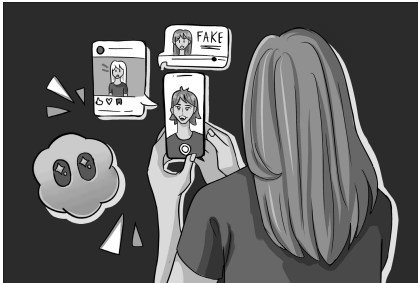

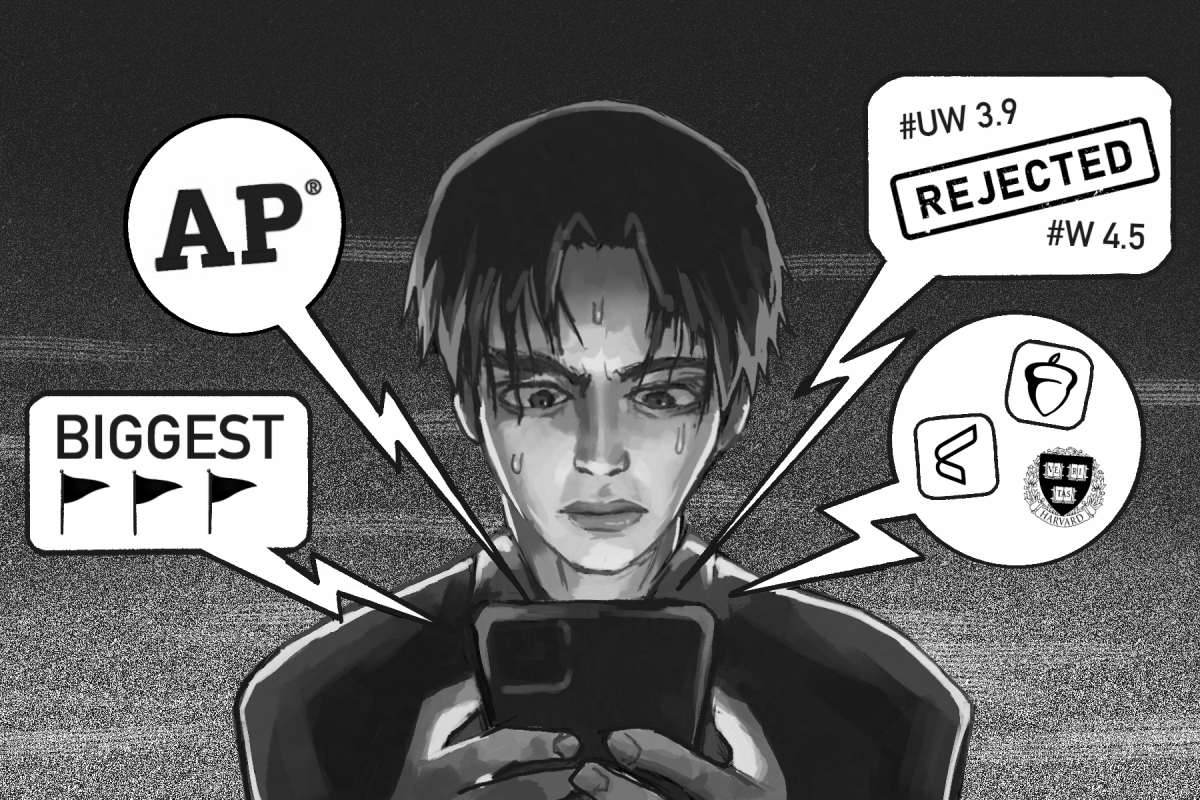
































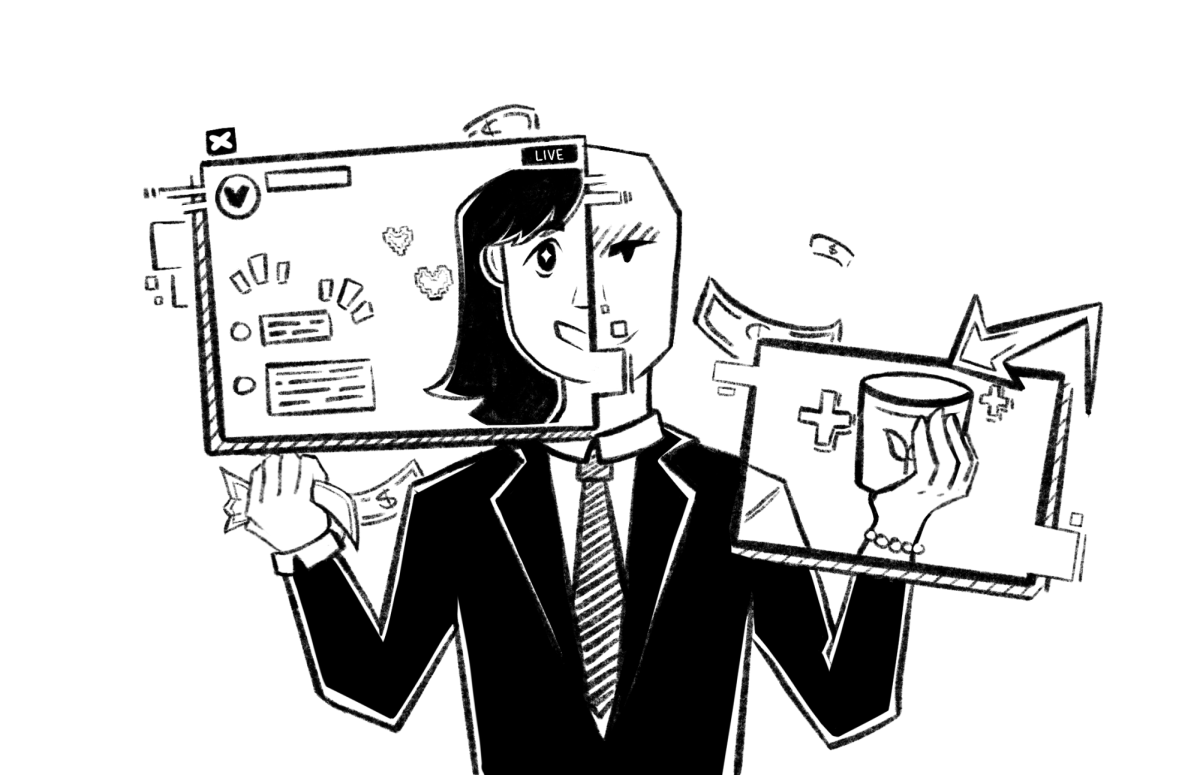
From staying on top of the latest trends to learning new skills, social media is an increasingly prevalent source of information for students, and companies are responding by ramping up digital marketing. As the influence of this new business medium grows, so does the danger of undisclosed online advertisements. Though audiences are responsible for consuming content responsibly, it is ultimately federal and state regulators, content creators, and companies’ duty to avoid misleading content and inauthenticity by ensuring endorsed content follows disclosure guidelines.
Advertisements on social media may be presented as promotions embedded with content, paid sponsorships or reviews, or promoted products through online storefronts. These mediums prove effective for reaching younger audiences: according to data published on CivicScience, 52% of Gen Z adults surveyed have purchased a product directly from social media, higher than any other age group, and influencer marketing was estimated to reach around $33 billion in 2025.
Currently, the Federal Trade Commission (FTC) requires that content creators disclose when they have a material connection with an endorsed product, including familial and employment relationships, financial incentives, and free services. The FTC establishes that viewers should be able to understand disclosures, actively discouraging requiring users to perform additional actions — such as going to a creator’s “About Me” page — to view the disclaimer.
Despite regulations, however, an analysis of 100 million tweets conducted by British researchers Daniel Ershov, Yanting He, and Stephan Seiler published on Vox’s CEPR found that 95% of posts classified by a machine-learning tool as sponsored — based on the tool’s training on disclosed advertisements —were undisclosed. Companies have faced consequences for these practices; in 2025, Cerritos-based retailer Revolve was sued for $50 million for failing to disclose imbursed product reviews.
These advertisements’ prevalence on social media compromises integrity of content creation, putting consumers at greater risk of purchasing products that do not fulfill their claims. Viewers from all age groups on the internet are subject to wellness supplements pushed by fitness influencers without qualifications; artificial-intelligence-powered study platforms marketed as essential resources; and faulty beauty products touted by popular fashionistas, among many endorsements.
While consumers are responsible for identifying blatant advertisements and critically evaluating products before purchasing, it is unrealistic to leave accountability solely to them when endorsements are deliberately hidden through deceptive marketing tactics. The aforementioned CEPR study found that 33% of viewers could not correctly identify undisclosed advertisements, signaling a need for increased transparency that does not solely rely on consumer awareness.
Social media platforms, federal and state agencies, brands, and content creators must collaborate to ensure advertisements are appropriately disclosed. Government authority and media platforms must enforce transparency with severe consequences for buying or creating an undisclosed promotion, including permanent bans and fines for repeat offenders. If these parties continue turning a blind eye to undisclosed advertisements, consumers will be forced to contend with a reality where the line between honest and deceptive content blurs, compromising virtual ethics.