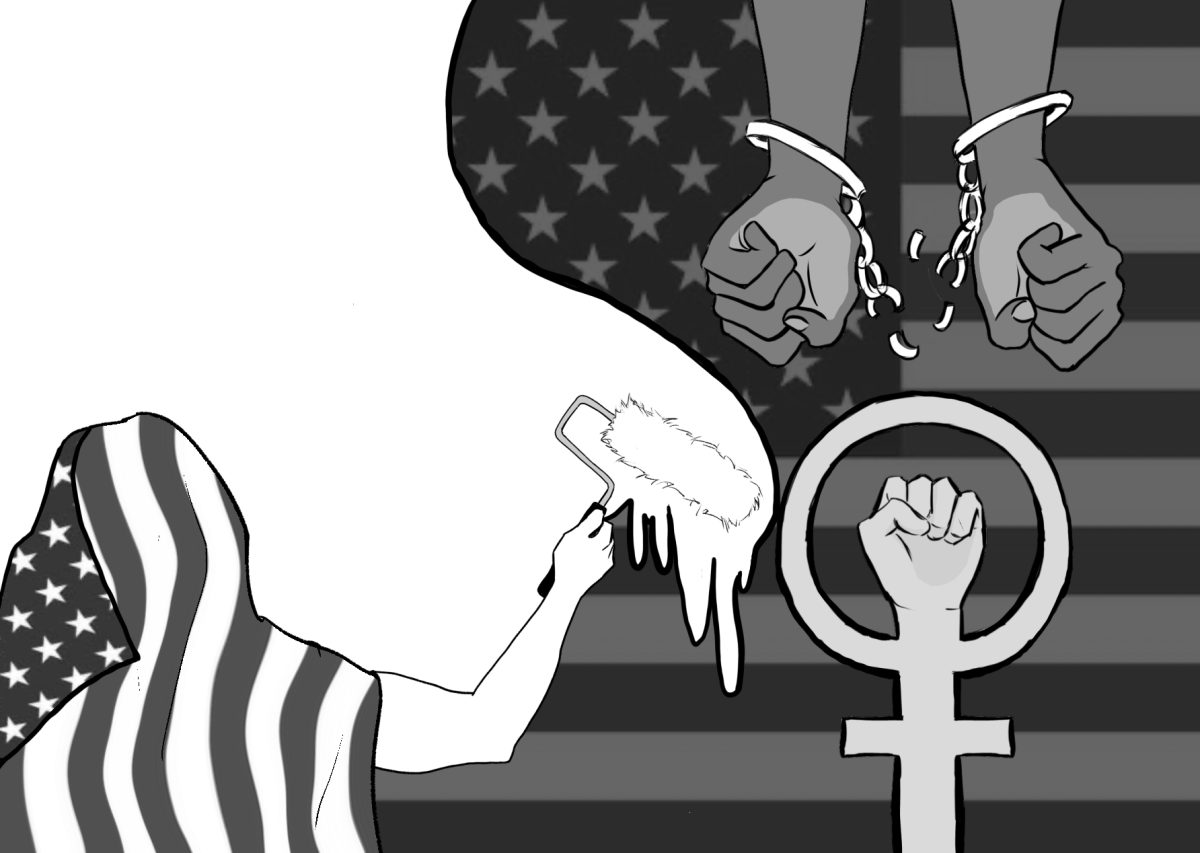



















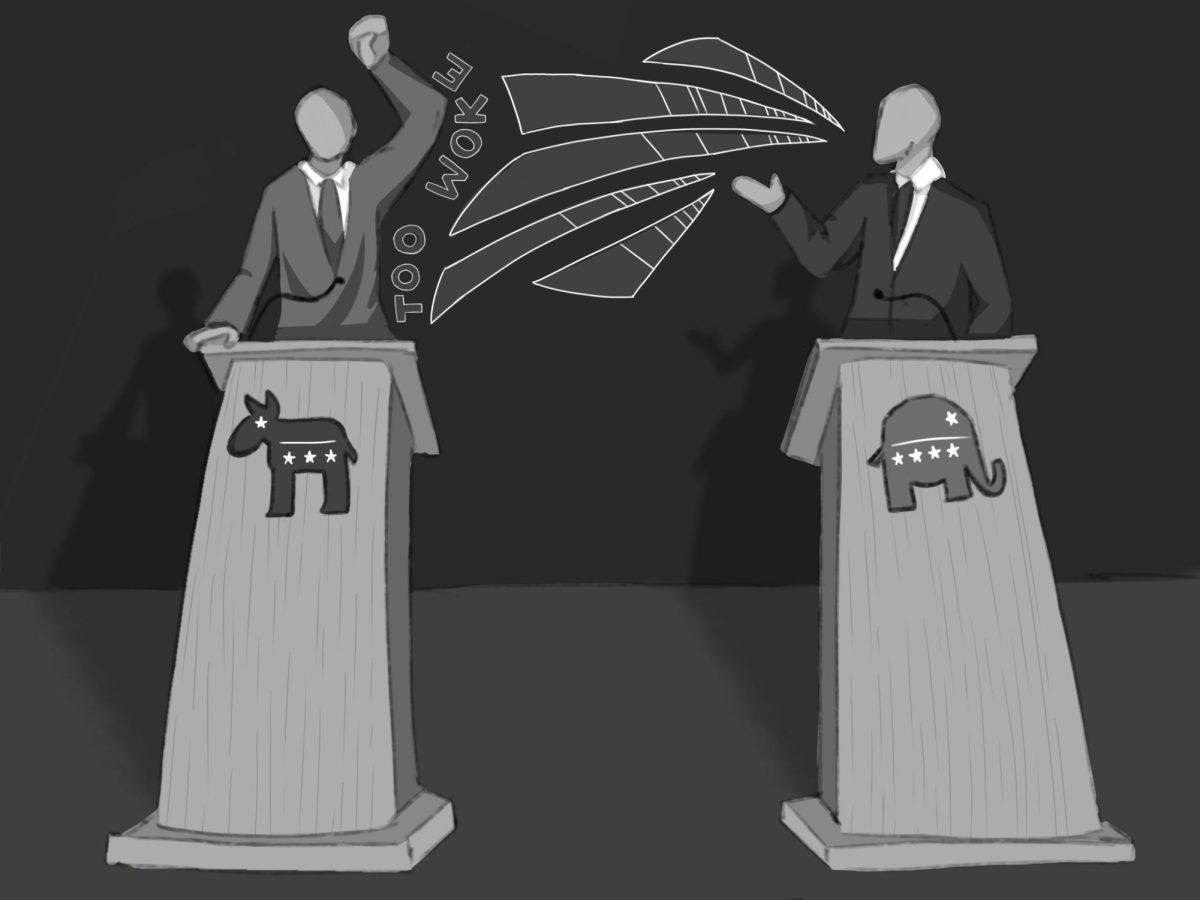
In today’s social media saturated society, the word “woke” is used everywhere, and yet it rarely retains its original meaning. TikToks mock progressive individuals for being “too woke”; news headlines warn about “woke liberal” agendas; and political debates utilize the term to dismiss progressive policies as unreasonable. A word which once signified awareness and advocacy has become a rhetorical weapon, used to immediately dismiss progressive ideologies and reframe equity as extremism.
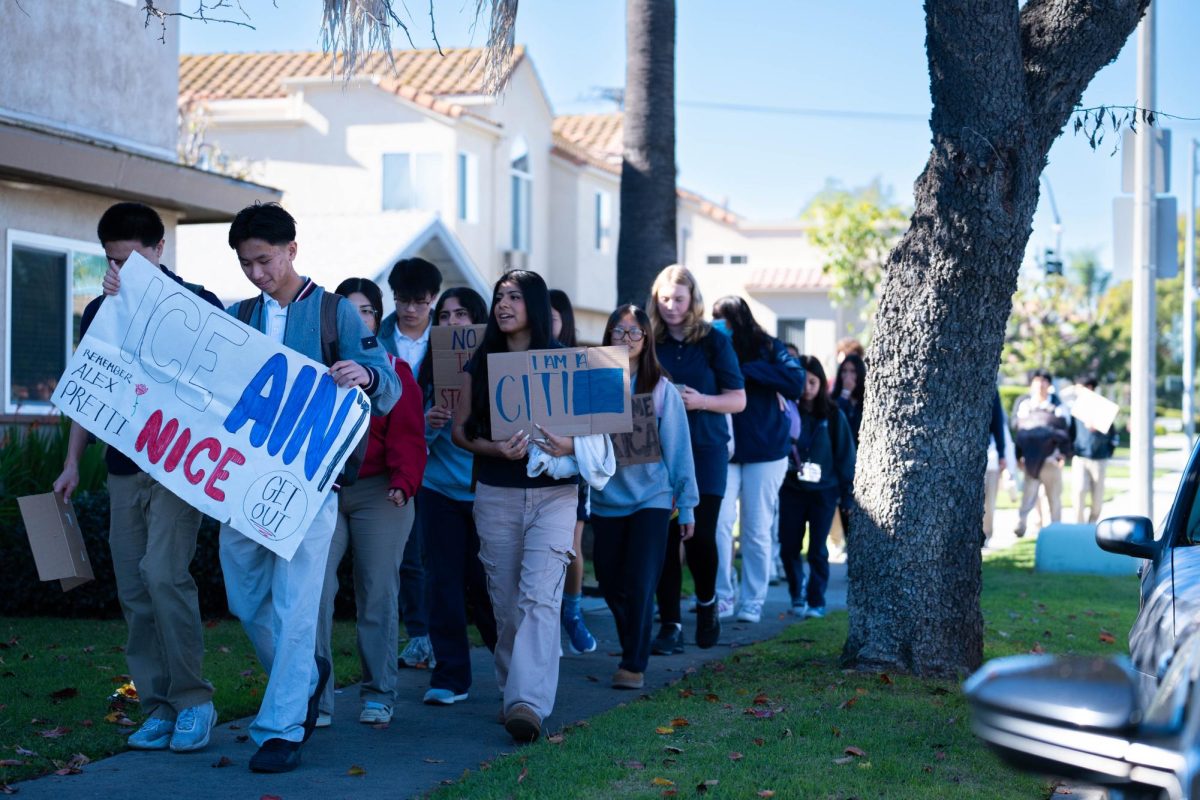
Historically, “woke” originated in African American Vernacular English (AAVE) and was commonly used in the Black community in the 1920s. The phrase “stay woke” urged the community to remain aware of the systemic oppression. The term regained widespread use in the 2010s, particularly during the 2010s Black Lives Matter Movement, where it emphasized vigilance towards police brutality and racial injustice.
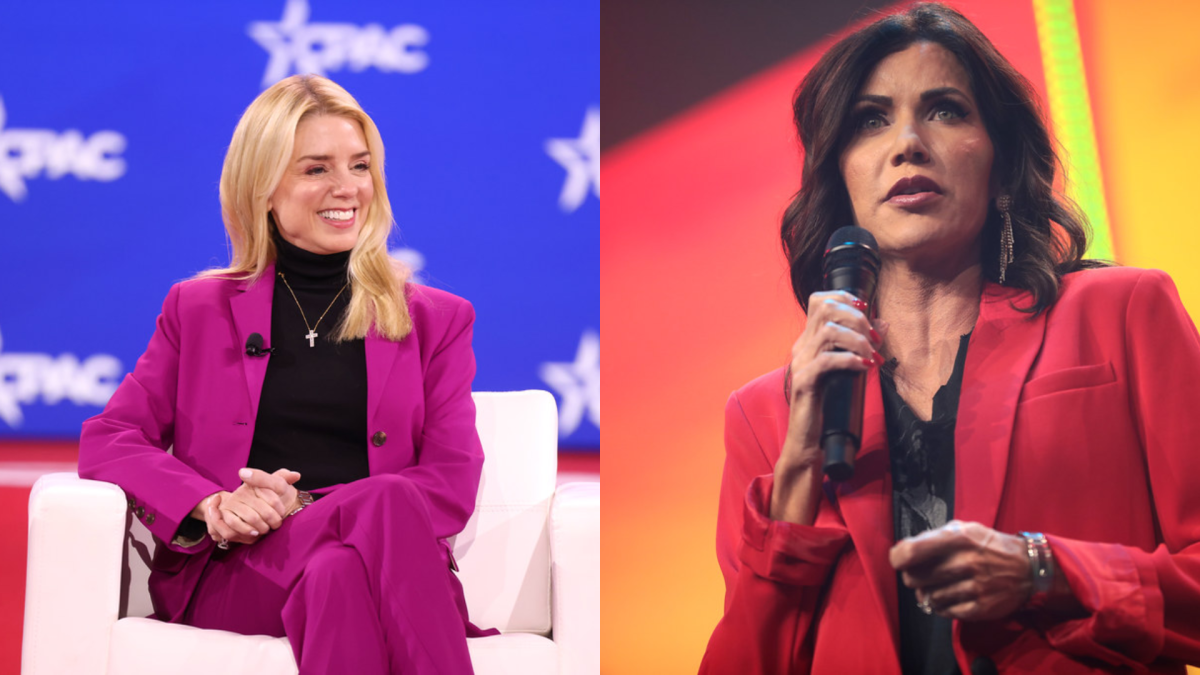
As the term “woke” began to enter mainstream media, its meaning broadened and became diluted. Stripped of its original context, the term became easier to distort and manipulate. Today, it is frequently used as a pejorative by right-wing politicians, influencers, and citizens to dismiss progressive views which advocate for racial equality, economic equity, LGBTQ+ rights, women’s rights, etc. For example, when discussing anti-diversity initiatives at an address to a joint session of Congress in March 2025, President Donald Trump declared, “our country will be woke no longer.”
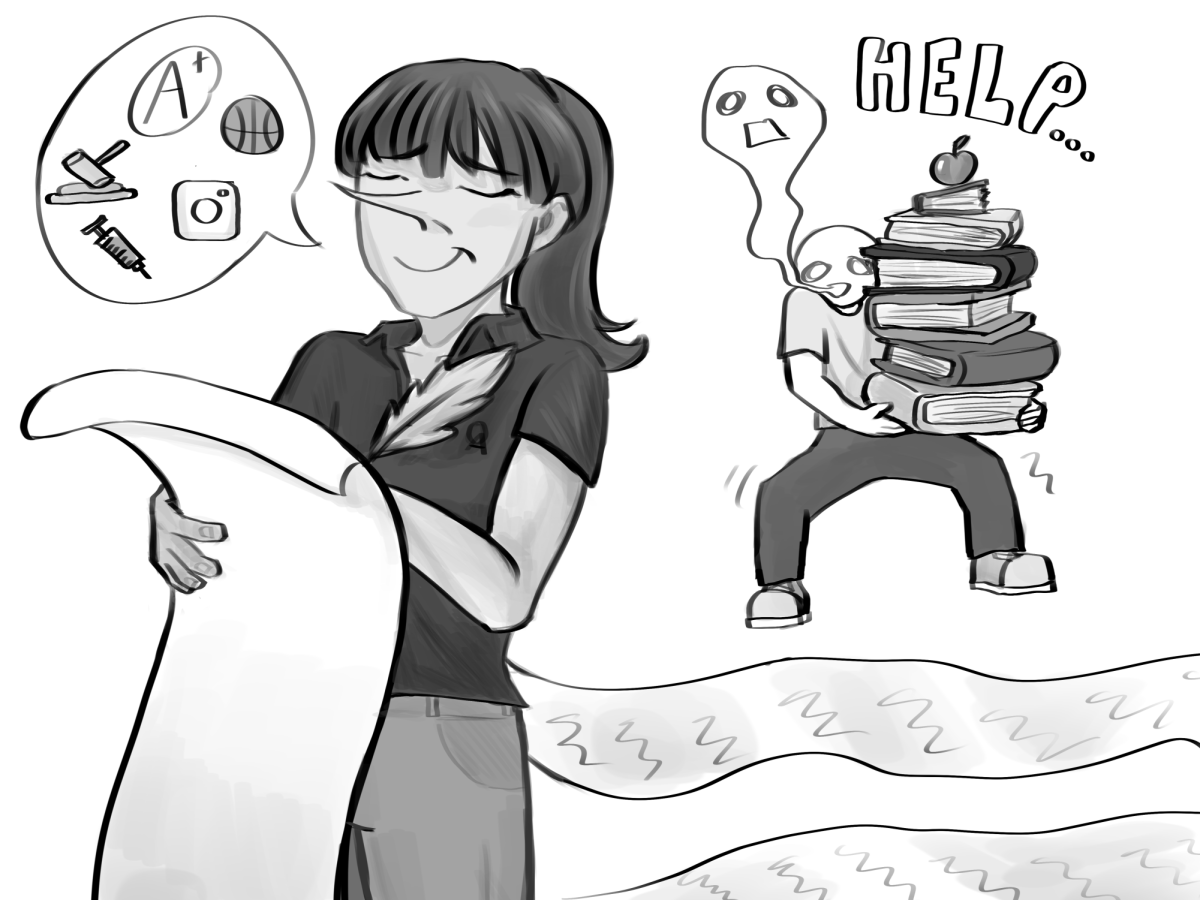
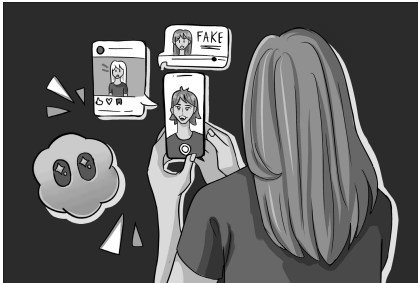
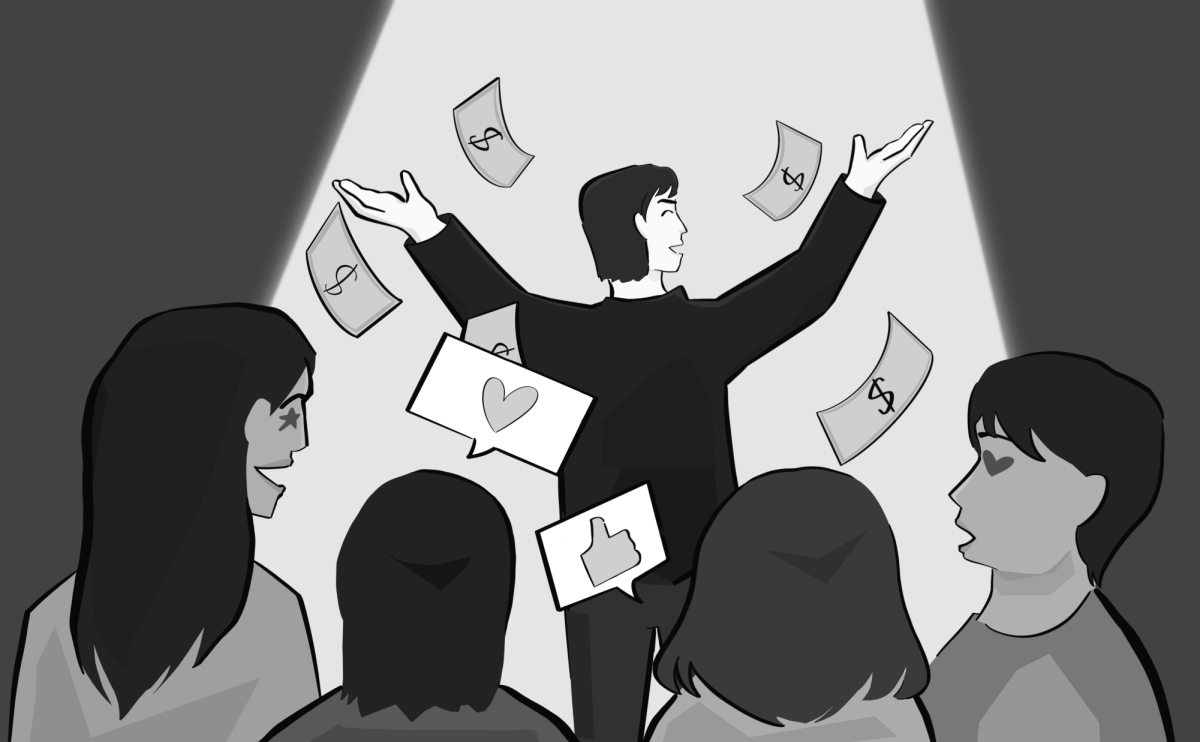
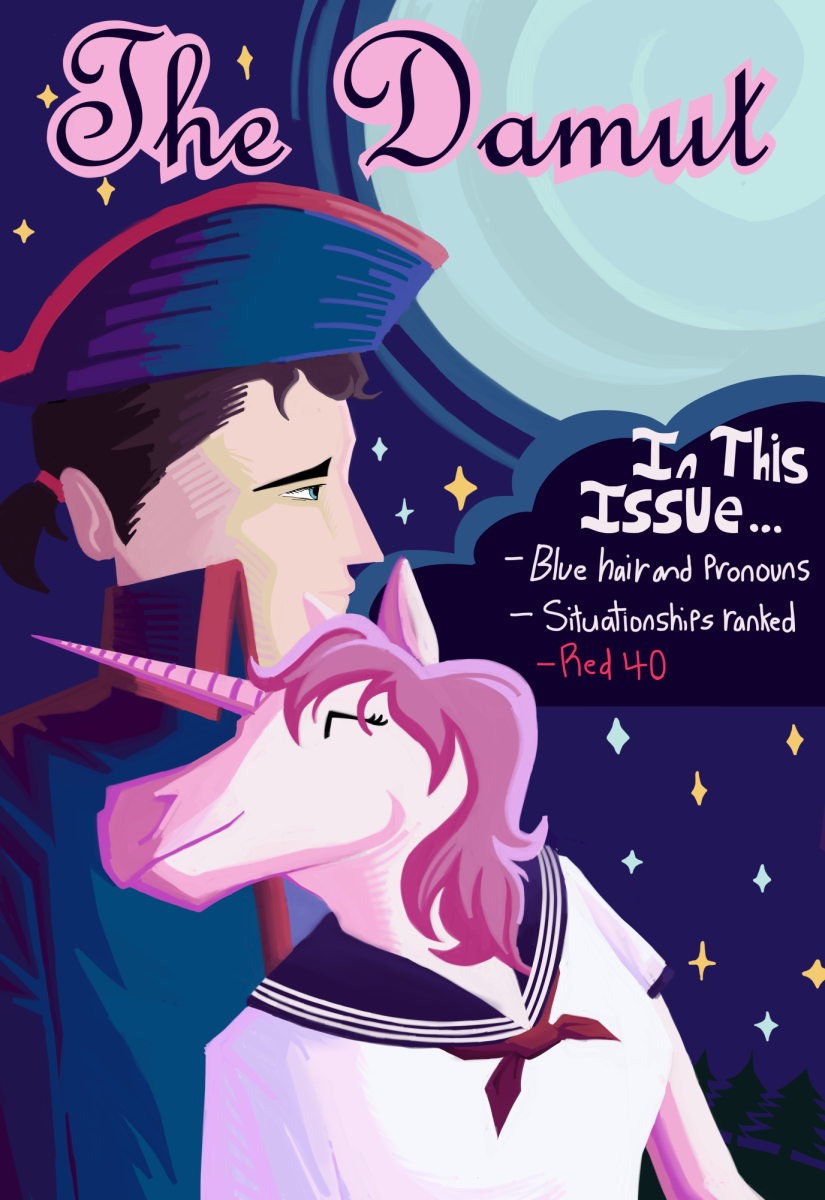
Social media further amplifies this distortion through stereotypes such as the “blue-haired, woke barista,” a meme that portrays progressive advocates as naive, overly sensitive, and detached from reality. By reducing social justice advocacy to an aesthetic or personal trait, this stereotype trivializes serious political and social issues.
The phrase “too woke” has also been utilized within progressive spaces. However, by definition, “woke” means being aware of systemic injustice and awareness can’t be excessive, nor can social consciousness be deemed extreme simply because it disrupts social or political comfort. What feels uncomfortable to some often reflects the challenge of confronting harmful norms. Treating “wokeness” as something that needs to be controlled and moderated concedes to those who benefit from the distortion.
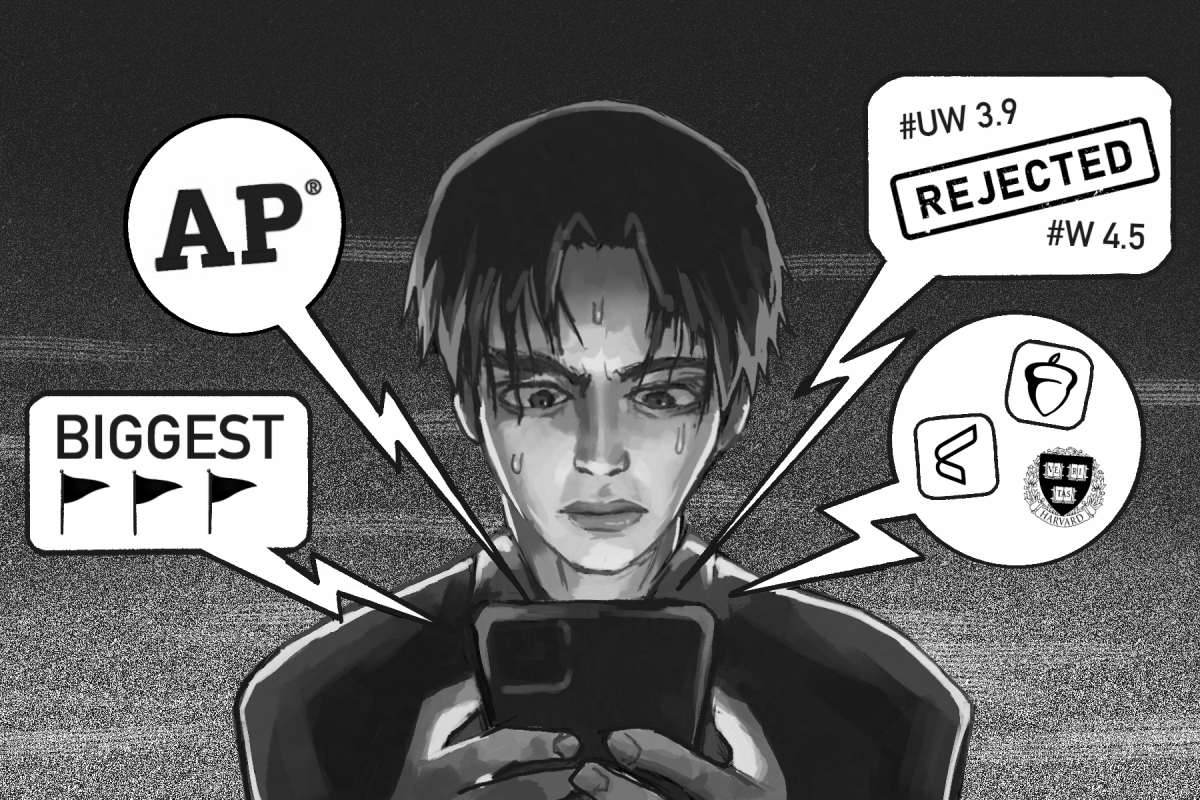
Some argue that the phrase “too woke” is justified when criticizing behavior viewed as nitpicky rather than genuinely advocacy or activism based. For example, the popularity of self-diagnosing medical or psychological conditions on TikTok is often referred to as “too woke”, despite it being better characterized as inconsiderate rather than rooted in social consciousness. However, such actions do not align with the original meaning of “woke,” which is defined upon recognizing systemic injustice. Instead, they reflect performative behavior rather than activism, and labelling them as “too woke” further perpetuates misunderstanding.
Language dictates how society defines fairness and justice. When terms like “woke” are politicized and distorted, it is important to recognize the harmful implications this can have. “Woke” should no longer be used as a pejorative but rather be reclaimed as a call for awareness and action, with its misuse being consistently called out.