








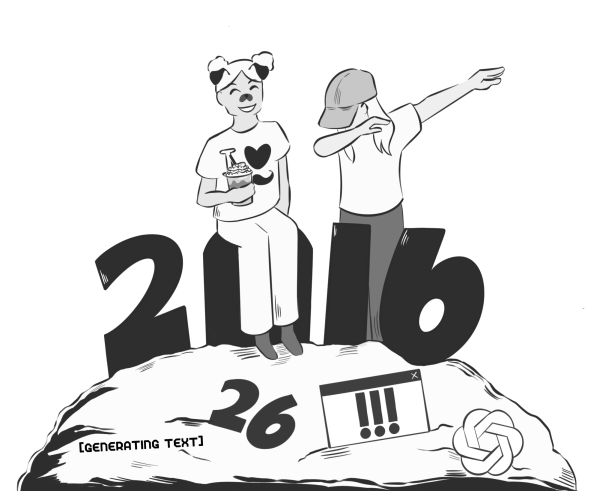
2026 is the new 2016! Pink-hued filters, overlined lips, and “Lush Life” by Zara Larsson are sweeping social media, embodying a collective desire to return the unpolished, carefree energy of 2016’s digital golden age. According to TikTok, searches for “2016” rose by 452% in the first week of 2026. However, this seemingly playful trend goes beyond lighthearted throwbacks; when an entire generation longs for 2016, it signals not nostalgia, but a collective attempt to cope with today’s heavily inauthentic digital landscape. Instead of reducing the movement to another superficial and fleeting fad, companies should work to restore social media platforms as the authentic, cultivating spaces they once were.
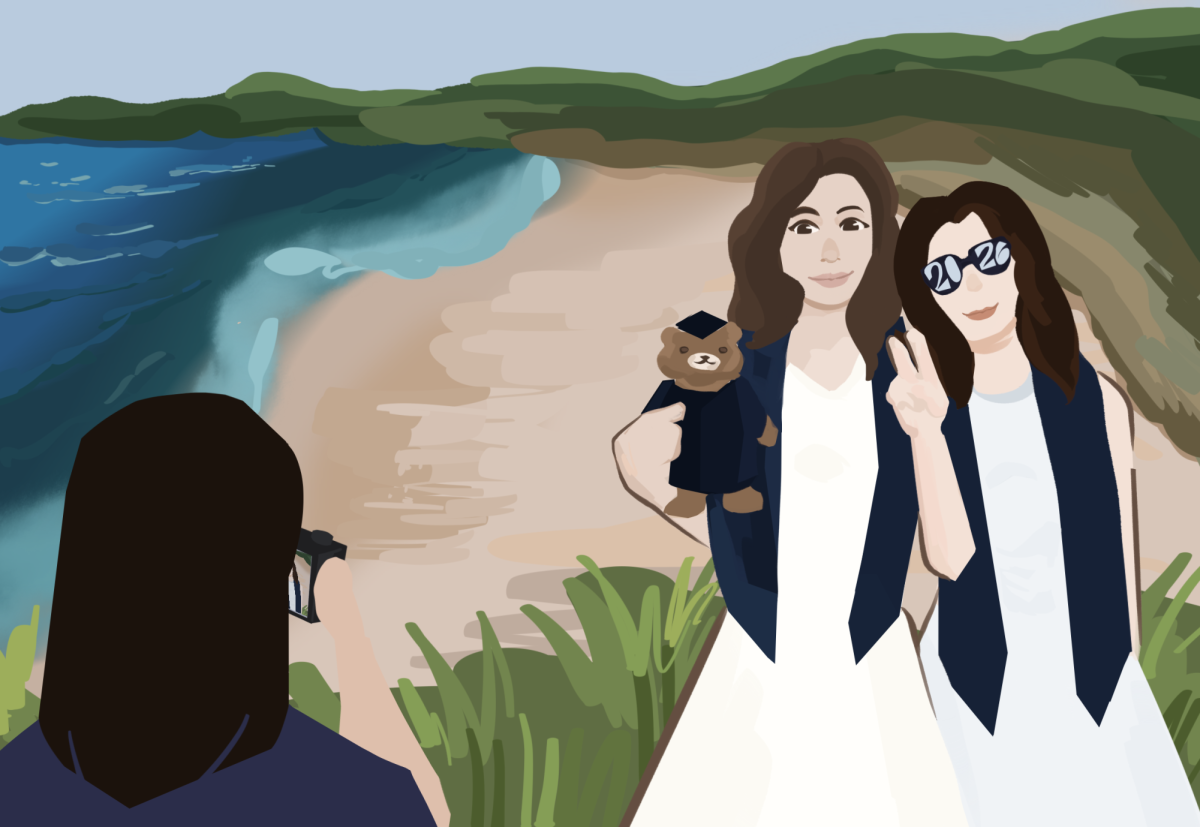
In 2016, the internet primarily served as a digital playground across generations: pop culture was bold, with artists releasing viral hits; trends grew organically rather than being engineered for algorithmic reach; and platforms served as spaces for causal self-expression rather than constant optimization.
Though social media platforms have used algorithms for decades, feeds used to primarily show posts from friends and influencers one chose to follow. Now, sponsored content and recycled trends fill TikTok and Instagram pages, and scrolling often drains users rather than connecting and engaging them.
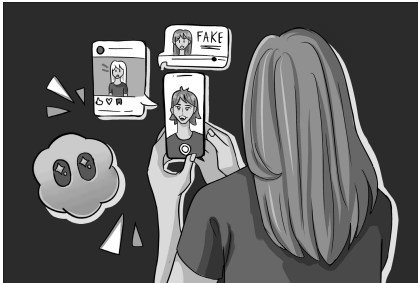
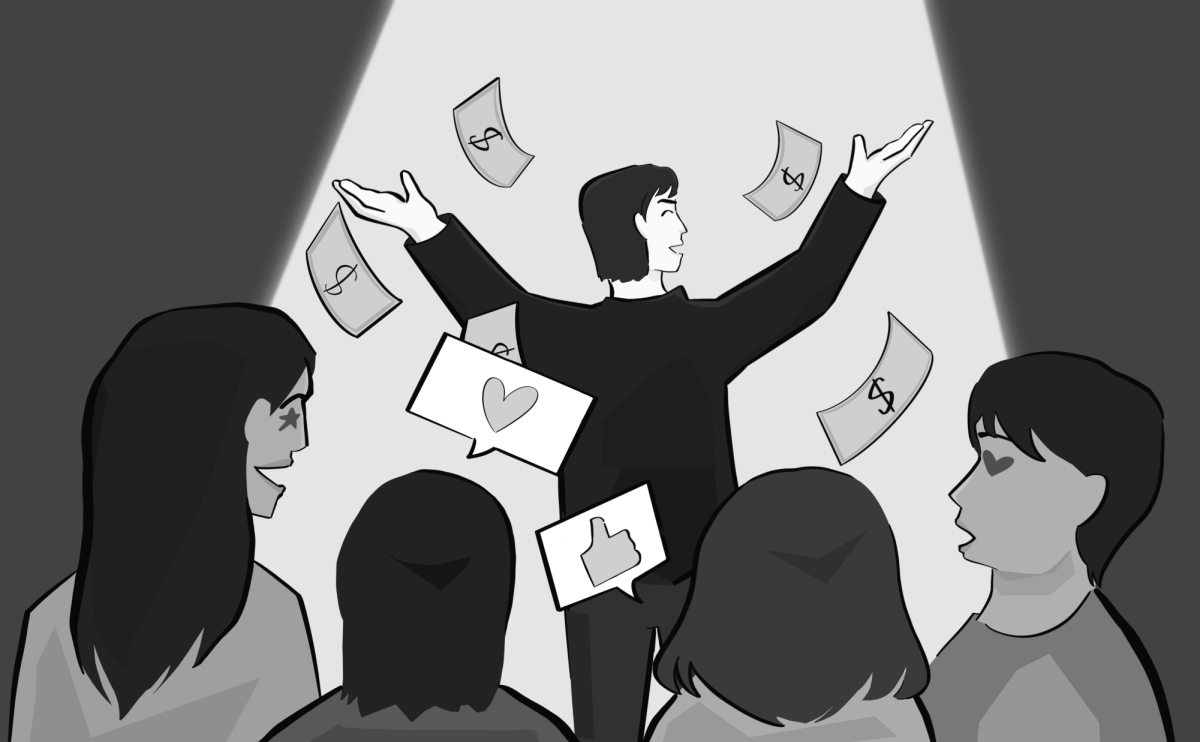
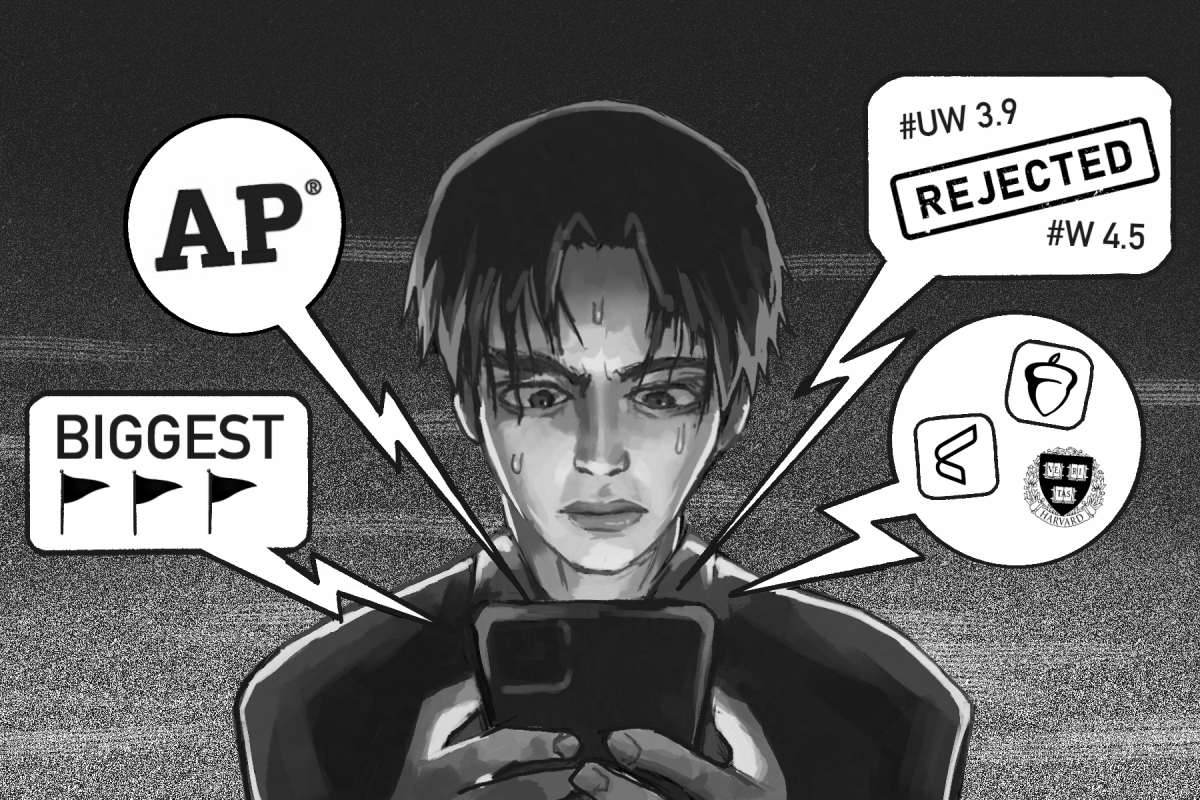
In following years, 2016 symbolizes a period where the internet felt more genuine than manufactured. It’s these playful and “imperfect” aspects of 2016 that people miss and yearn for a decade later: today’s digital environment, in stark contrast, is much more corporatized. Social media has shifted largely from connecting friends and building communities to prioritizing professional content, ads, and influencer marketing. Consequently, today’s users occupy a dual role: as creators, they are pressured to curate flawless online personas, while as consumers, they must navigate discrete advertisements and AI-generated misinformation.
Some argue the revival of 2016 is simply younger generations’ romanticization of early aesthetic, similar to the way they’ve brought back the 1980s or Y2K as trends. While nostalgia is cyclical, this trend transcends fashion, music, or personal memory alone: it’s centered on authenticity and social media’s role shifting from a lighthearted space to one where users must scan seemingly genuine content for AI or tacky sponsorships, as well as filter their own content to maintain a polished social media profile. The trend is not a simple longing for youth, but an indirect critique of the present.
Though the trending throwback brings lighthearted, nostalgic trends, people must recognize that the fresh sentiment of 2016 comes not just from skinny jeans or Musical.ly lip syncing videos, but from users’ previous ability to engage online without constant optimization and monetization. Instead of fixating on the aesthetic of 2016, social media users must prioritize cultivating a strong and authentic digital culture by resisting over-curation of content and putting genuine connections over reach.