




































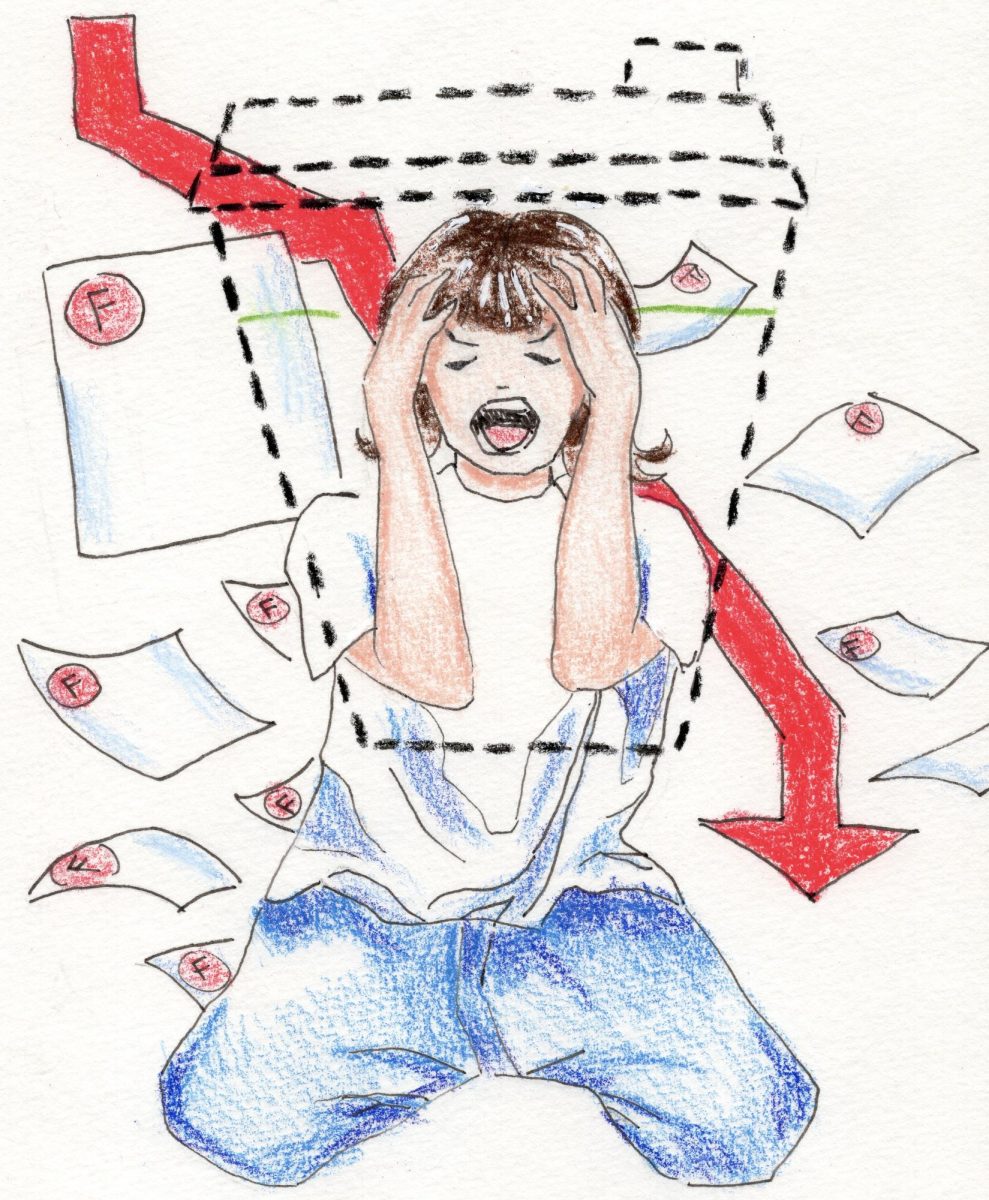




After its pause during the government shutdown, beginning on Oct. 1, 2025, the Supplemental Nutrition Assistance Program (SNAP), an initiative that battles hunger for American citizens, was finally restored on Nov. 12, 2025. SNAP provides the basic human right to food for millions of Americans, yet many households will remain cut off from the necessary meals they need due to changed policies enacted by the One Big Beautiful Bill Act (OBBBA). The citizens that the program supports are threatened by a lack of funding and stricter policies, limiting their access to healthy, nutritional food. The government must prioritize SNAP because the struggling families left hungry during the temporary shutdown demonstrate the consequences of tightened requirements, foreshadowing the effects of cutting many Americans off from aid.
SNAP feeds one in every eight Americans, over 40 million people, and over 310,000 of them are recipients living in Orange County. The lack of sufficient funding and expanded requirements risks depriving Americans of adequate nutrition and endangering the lives of millions. The program assists in buying produce, dairy, protein, and other healthy foods for underprivileged Americans. Without these crucial components, one might be malnourished or rely on unhealthy alternatives, resulting in diet and weight-related issues.
The Anaheim Union High School District (AUHSD) released a message on ParentSquare saying that they will continue providing meal services and food assistance resources to students. While these challenges heavily impact students and families in school, greater change is necessary to provide stability for all citizens across the country who rely on SNAP benefits.
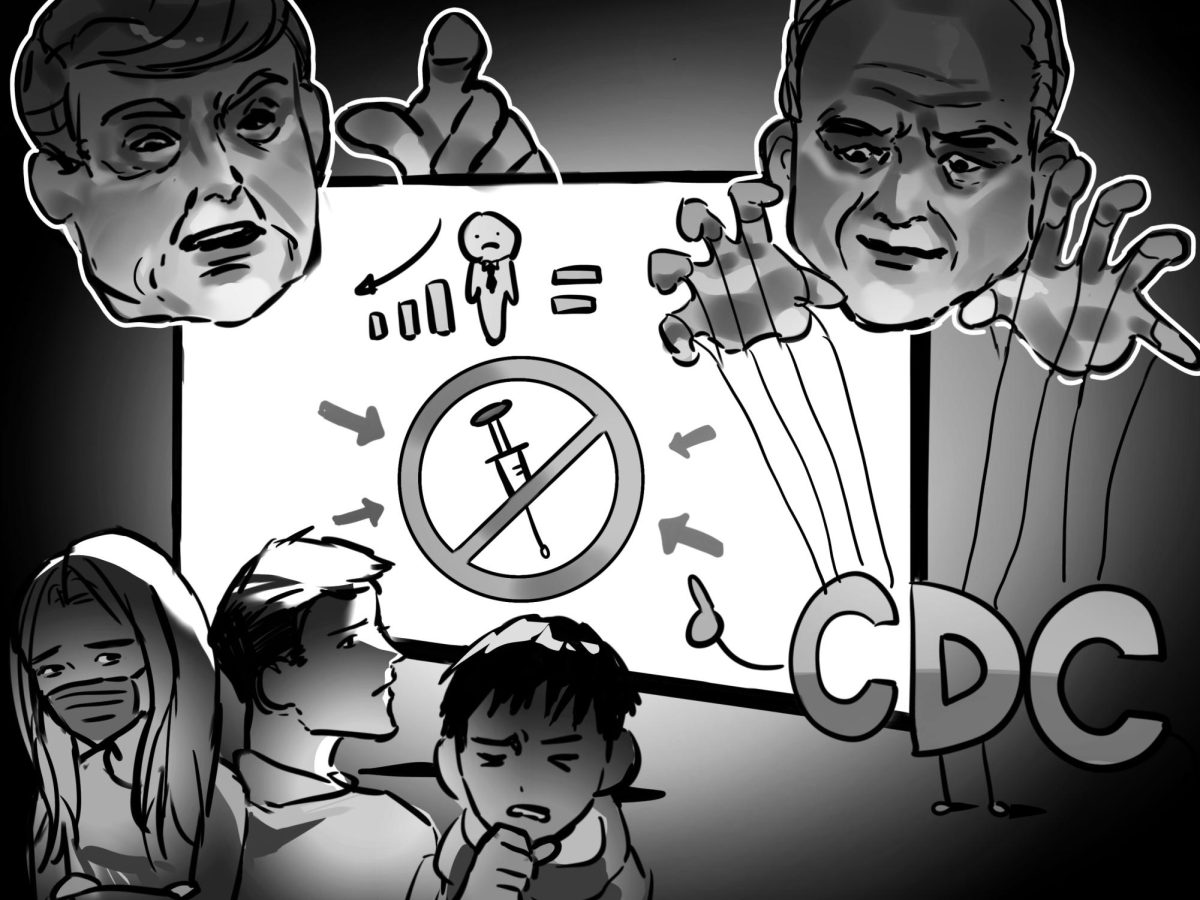
Though the government shutdown concluded the temporary nationwide pause of aid, a common misconception is that the full extent of SNAP benefits have been restored. This shutdown, and the stress it brought upon American families was only the precursor to the struggles that will come with stricter requirements on the OBBBA.
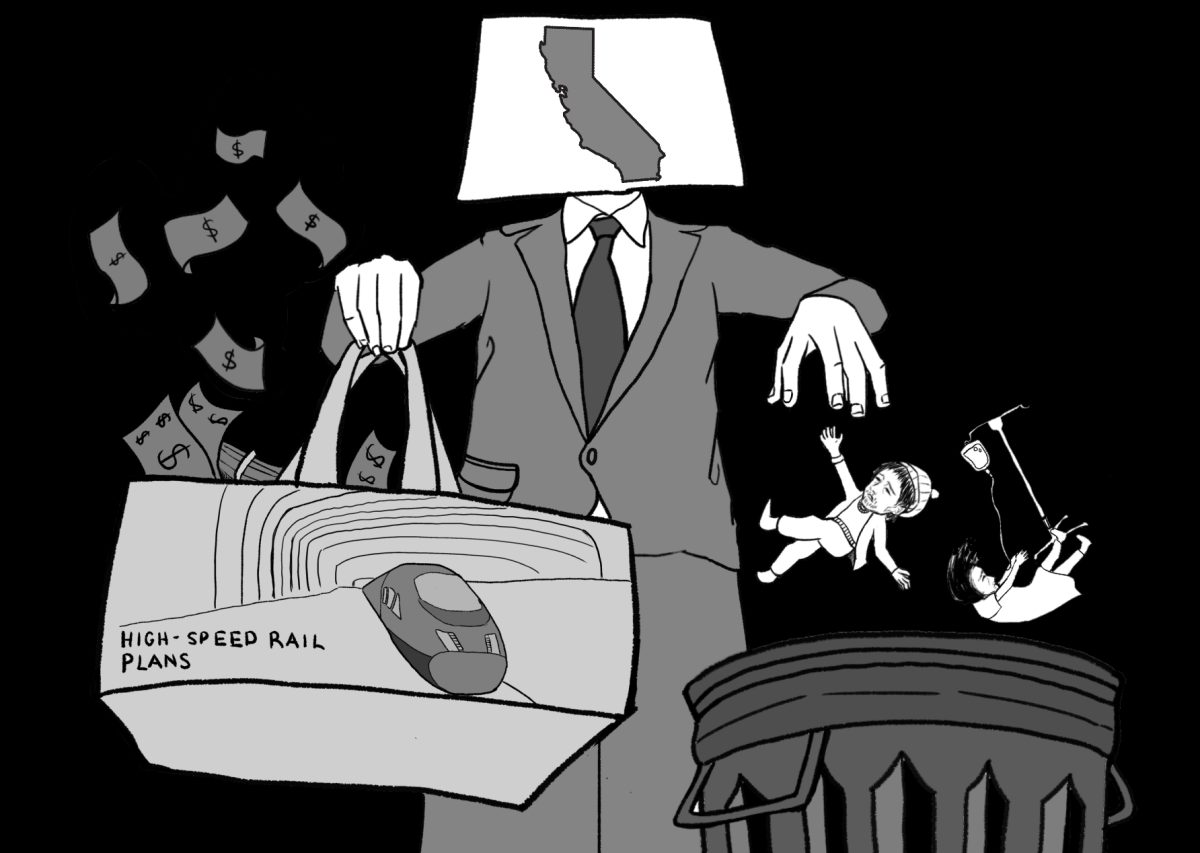
Through the OBBBA, the Trump Administration cut $186 billion from the program through 2034. Instead of putting forth $75 billion to finance ICE activity, the government could continue to support all its residents and ensure everyone is fed. By signing OBBBA this past July, the federal government already limited access to the program through potentially strenuous working requirements.
The government, whose primary purpose is to support all its citizens, must prioritize assisting Americans with proper nutrition.
The lack of federal funding strains Americans’ access to food, which is a resource that should be provided as an essential to life. The USDA claims that the Trump Administration is “strengthening integrity and nutritional value within SNAP,” but fraudulent activities are rare according to a review from Congress. The program ultimately helps millions of people with legitimate needs. Uncommon individual cases of dishonesty do not outweigh the benefits of ensuring all Americans are properly fed.
Opponents of the program argue that SNAP disincentivizes people from working, but the cost of living in the U.S. is approximately $60,000, and the median annual wage at $49,500. People simply cannot fulfill their basic needs without assistance. This reinforces the double bind where people are criticized for relying on SNAP yet are placed in a demanding system where success is systematically unattainable. It is increasingly difficult to be able to live comfortably and afford necessities like sufficient food, making SNAP an essential part of over 10% of American lives, according to the USDA.
The cessation of the program infringes upon the moral obligation and duty of the government to care for its citizens and provide means, for all, regardless of socioeconomic status, of accessing food and proper nutrition. The Trump Administration looks to advance its own political agenda rather than support the welfare of Americans, challenging whether it truly stands for the people.
No parent should have to skip meals to feed their children, and no disabled person should be forced to struggle to get the assistance they need. SNAP is intended to serve and support families who make unstable income, rather than discourage income and employment altogether. By asserting the idea of people irresponsibly using SNAP funds, critics perpetuate the stigma and judgement towards food stamps and their users.