
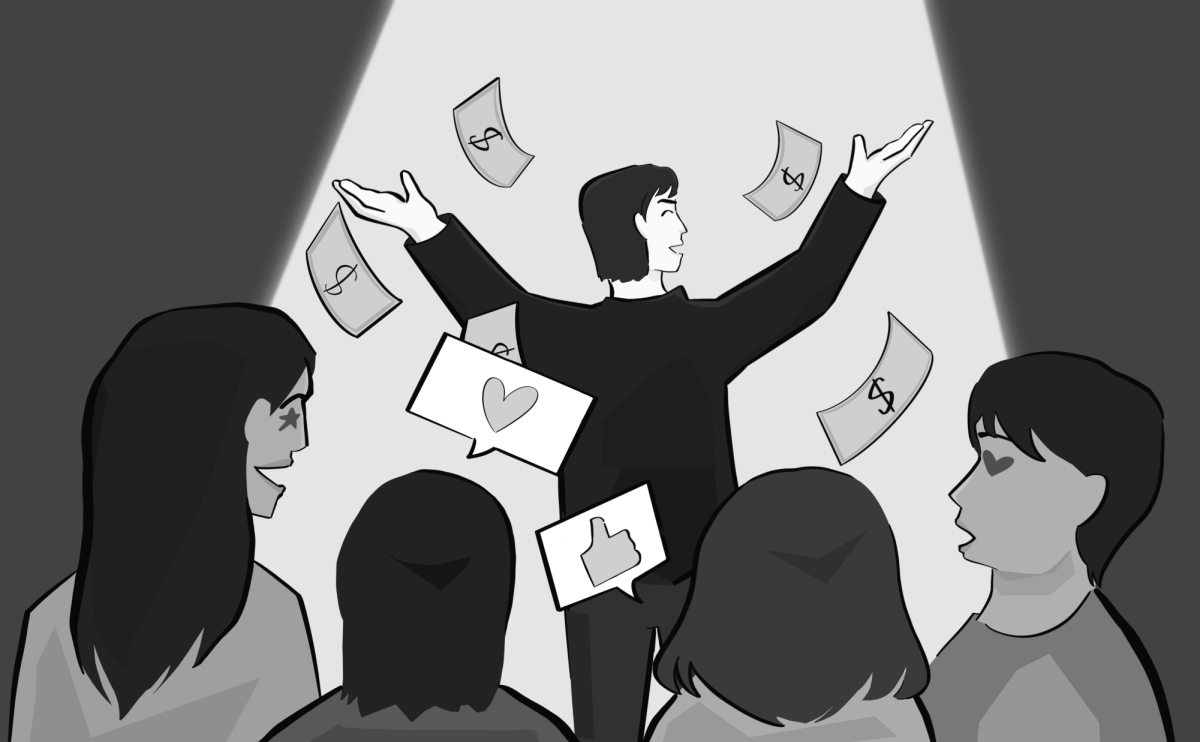












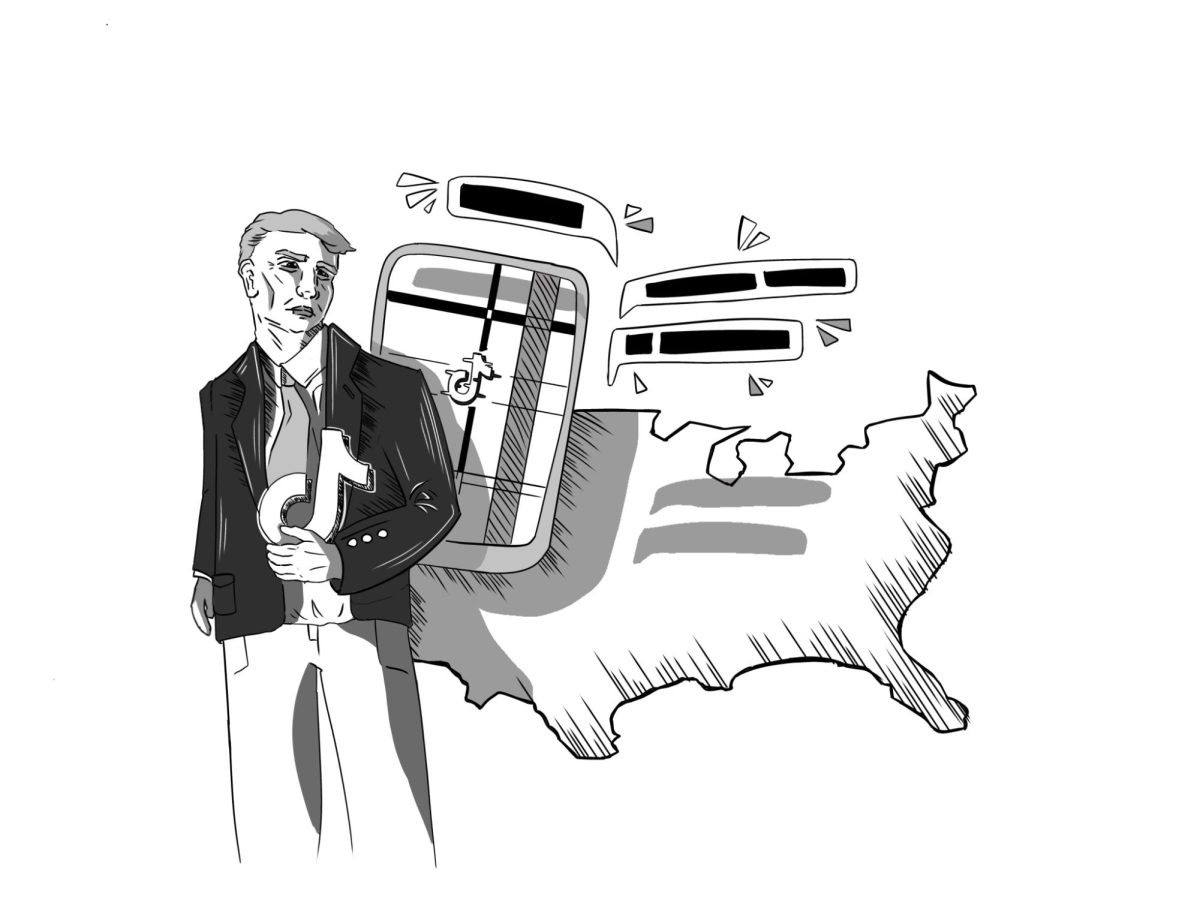
TikTok is a major part of everyday life, shaping how millions of Americans communicate, create, and consume information. This role, however, was questioned in January, when the platform changed ownership after months of political and legal pressure. On Jan. 22, ByteDance Ltd., the owner of TikTok, closed a deal to reduce its ownership of TikTok to 19.9%, making a majority American-owned company: TikTok USDS Joint Venture LLC. While this shift has alleviated concerns about foreign influence, TikTok’s transition to mostly American ownership, has turned a space of expression into a tool for pragmatic political control.
TikTok first shut down for U.S. users in January 2025; to prevent a shutdown from reoccurring, ByteDance followed the Protecting Americans from Foreign Adversary Controlled Applications Act (PAFACA), passed on Apr. 24. This act prohibited TikTok, whose parent company is required by the Chinese government to turn over user data when requested. This led to concerns about user security, as in 2025’s case, TikTok Inc. v. Garland, where TikTok claimed the act infringed on the First Amendment, but the Supreme Court ruled the act did not. For U.S. users, this meant that their data — location, personal information, and behavior — wouldn’t fall into foreign hands.
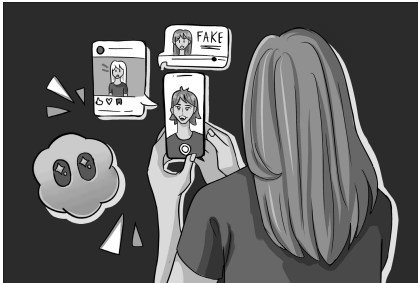
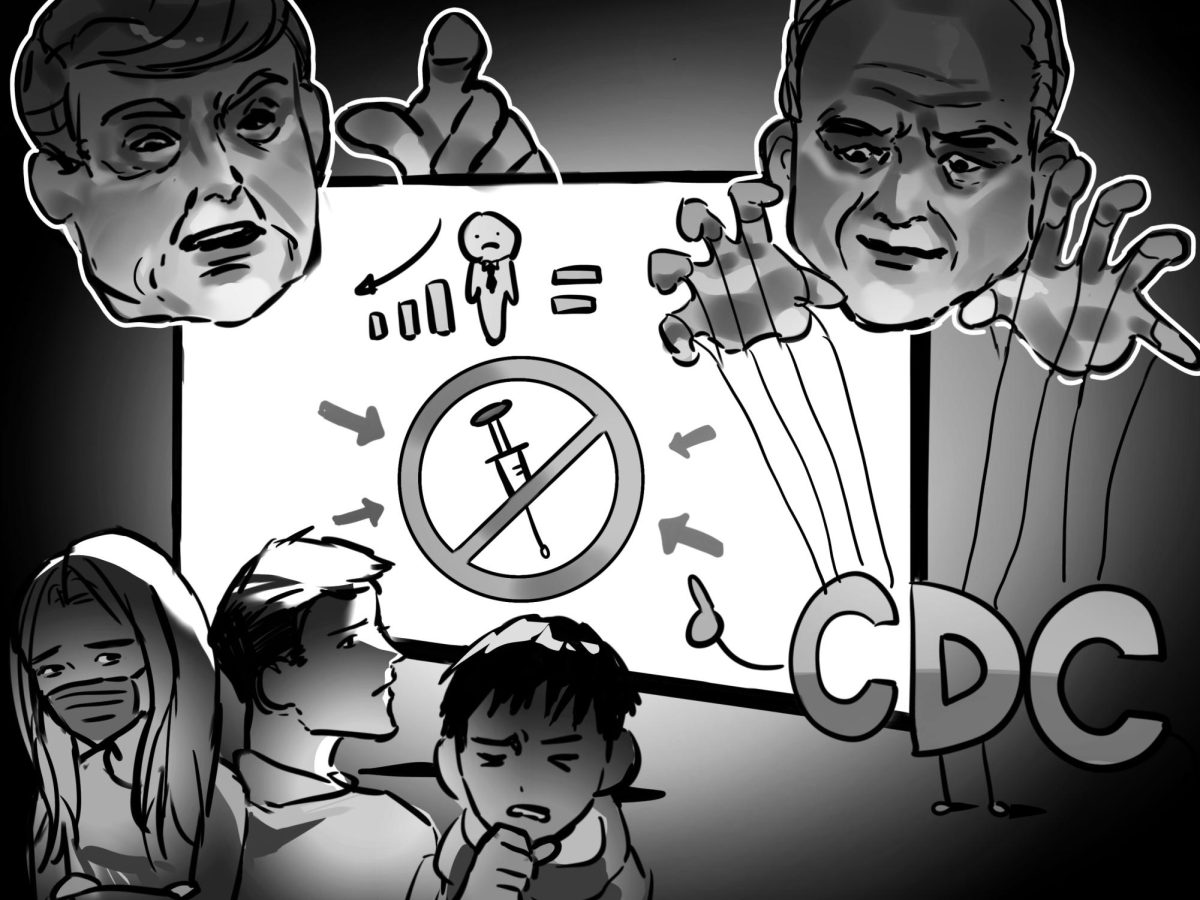
Following the U.S. majority acquisition of TikTok, some users have reported that TikTok has been “censoring and limiting” select posts — specifically content related to Jeffrey Epstein and the recent events in Minneapolis. According to PBS, one post about the shooting of Renee Good appeared as a blank, white box. Additionally, CBC reported that users were unable to send direct messages with the word “Epstein.” TikTok denied any censorship, attributing the issues to a power outage.
The consequences of TikTok’s censorship are beyond creators; when posts are hidden, the audience loses access to information they have increasingly relied on the platform to provide.
With roughly 82 million users daily in the US, Dreamgrow reports, TikTok’s influence on accessing information is substantial. Pew Research Center reports that 20% of American adults regularly get news from the platform. When censorship affects news, people only see a filtered version, one promising an America that isn’t real.
While inaccessible posts and missing messages may be attributed to technical difficulties, rather than deliberate censorship, TikTok’s new ownership structure raises concerns about political influence, especially given how the joint venture’s new owners were selected by the Trump administration.
Oracle, one of three American companies each holding 15% stake in TikTok, also serves as the platform’s algorithm and security provider. Concerns heightened with the political ties of its co-founder and chief technology officer, Larry Ellison, a longtime ally of President Trump. While ByteDance was scrutinized for its obligations to hand U.S. data over to the Chinese government, American ownership warrants similar skepticism with its own political ties.
Freedom of speech is understood as protection from legal punishment. In the digital age, however, expression can be nullified without breaking the law. Content is quietly made invisible; speech, while permitted, loses its reach and becomes functionally meaningless. If platforms like TikTok are to stay as platforms for expression, they must let users shape their own public discourse instead of secretly shaping it for them.