



































Since April 15, 2023, tens of thousands have died in the reincarnated Sudanese Civil War, with no end in sight.
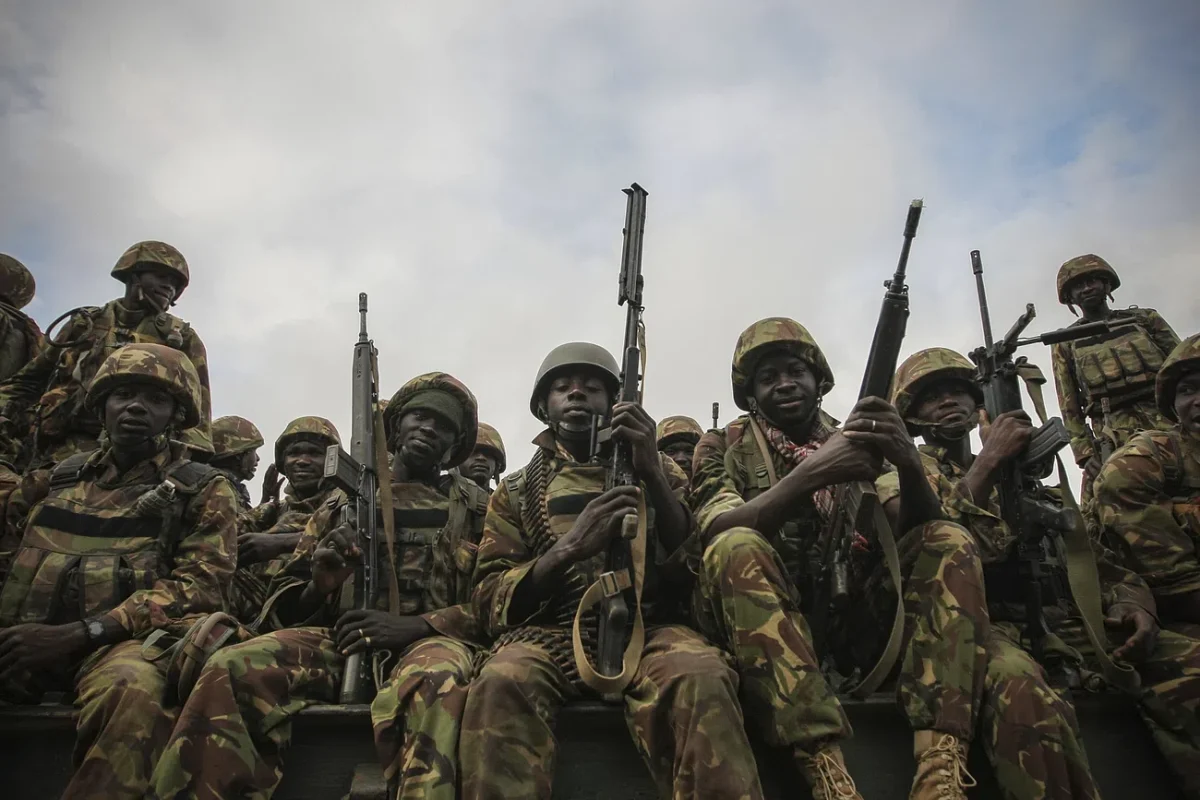
The war in Sudan began when the de facto leader, General Abdel Fattah al-Burhan, and Lieutenant General Mohamed Hamdan Dagalo disagreed on how to reform Sudan’s security sector. Sudan has split into two, the Sudanese Armed Forces (SAF) led by al-Burhan and the Rapid Support Forces (RSF) led by Dagalo.
The SAF consists of mostly Nile Valley Arabs, who are top of Sudan’s “racial hierarchy”, while the RSF contains multiple groups of people at the middle or bottom of the hierarchy. Both sides claim to be fighting for unity and have claimed their dominance over the other, but the war upon closer inspection is at a stalemate.
The SAF has utilized defensive strategies, with more territory and numbers in Sudan, and are accompanied by several paramilitaries and the Joint Force of Armed Struggle Movements (JFASM). However they struggle against the RSF’s maneuver warfare, armored vehicles, technicals, and attack drones. The RSF also has a political alliance with Ta’sis and the Sudan Peoples Liberation Movement – North who are besieging the cities of Kadulgi and Dilling. Meanwhile, the Sudan People Liberation Movement/Army has remained neutral, providing safe havens for thousands of fleeing civilians.
Recent events have marked an important escalation in the stages of the war. After 18 months of the RSF besieging the city of El-Fasher, the SAF and JFASM failed to hold back RSF forces and they shortly took control over the largely populated city, resulting in the deaths of thousands.
“The situation is first and foremost a human rights and protection crisis driven by two and half years of conflict and widespread violations of international humanitarian law and international human rights law across the country.” UN human rights offices in Sudan top official Li Fung said.
The UN estimated 177,000 civilians still trapped in the city, and declared the events in El-Fasher a humanitarian crisis. They are trying for a truce with the RSF, but it proves difficult.
“We are continuing to document and verify violations of international law in extremely challenging conditions, from the perspective of preserving what has happened on the ground, giving a voice to survivors, victims and witnesses and ensuring that this can feed into accountability processes.” UN human rights offices in Sudan top official Li Fung said.
Despite growing media attention, wars like this aren’t new in Sudan. In Sudan’s past, we see a long history of racial hierarchy within the country’s societal framework. Nile Valley Arabs are at the top of this hierarchy while darker skinned people and non-arabs are placed at the bottom as “slaves.” This has led the country to essentially have some ongoing war ever since the nation gained independence in 1956.
So far, this war has led to an estimated death count of more than 150,000 across all sides. Signs of a peace treaty are far but not unreachable as the U.S. attempts to reach some sort of deal as soon as possible.