













































While Oxford has strived to introduce new technology — such as ClassCompanion and sKrappyAI — to classrooms, it lacks in-person improvements with aging buildings and neglected facilities on campus. While beneficial to students’ education, advancements in technology and community services are insufficient without a strong foundation in school facilities to foster a nurturing learning environment. Oxford must prioritize budget allocation towards improvements in physical resources, such as regular bathroom supply restocking and updates to classrooms that its community can enjoy.
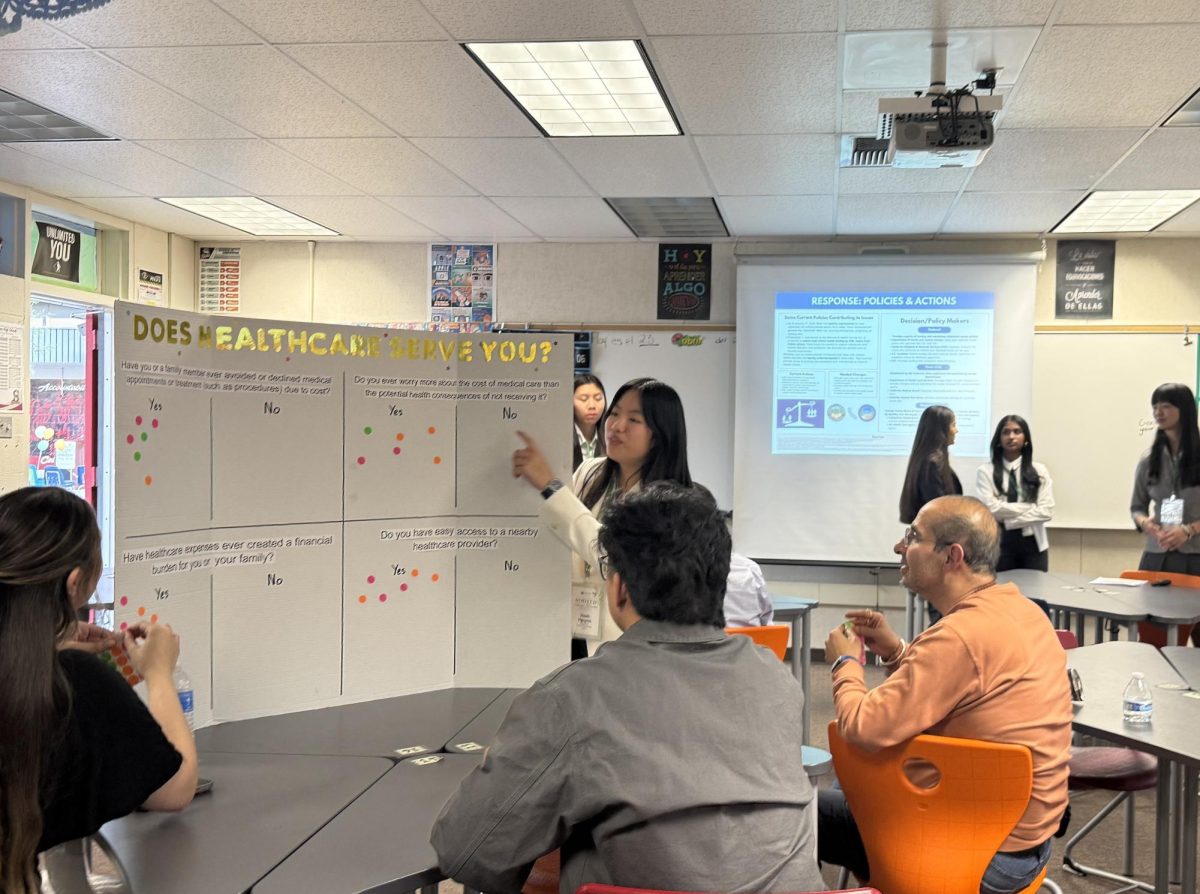
Students and staff have expressed complaints with facility issues on campus, citing how they often hinder effective learning and create an increasingly disorganized environment. According to feedback from Raising Student Voice and Participation (RSVP)’s first summit on Oct. 16, where students and faculty provided input on ways to improve campus, participants emphasized the need for more restroom maintenance and pest control, with a lack of facilities such as toilet paper and feminine hygiene products and an infestation of cockroaches in the 400 building frequently arising as concerns.
“These issues can affect learning in the classroom because students may not be motivated to learn,” RSVP Facilities Commissioner and junior Claire Choi said. “Hygiene could be a major issue as well if soap or other supplies aren’t restocked regularly, then illness and disease can spread quickly.”
The recent expansion of the student population has exacerbated these issues, with the school adding 35 spots for out-of-district students beginning with the current school year.
“This school was originally designed as a junior high, not for this exact size population,” business teacher Mr. Rylaarsdam said. “We’ve had some facility additions, but it seems like we’re probably going to need some more if we continue to grow.”
Mr. Rylaarsdam identified the parking lot and bathrooms as common pain points for students and staff, as they fail to accommodate the increasing population on campus. This sentiment was echoed by students, along with criticism on available seating in the quad.
“[The restrooms] are small, uncomfortable, and sometimes dirty,” 8th grader Antonia Edu said. “Additionally, there are not enough lunch tables for all the students. Perhaps a few more could be added, or there should be a rule about them that allows more people, particularly [junior high] students, to sit down.”
Despite the benefits of advancements in technology, students cannot learn effectively if classrooms and facilities are deteriorating.
Freshman Connor Osilla had similar complaints about undermaintained facilities, specifically pertaining to older water fountains on campus, which have not been updated with the newer filtration system that newer water fountains on campus have.
“The water fountains that need to be repaired are the cafeteria fountain, both fountains inside the locker rooms, and the one at the back of the English building.” Osilla said. “I’d like to see the filters replaced so that Oxford students, staff, and workers don’t have to worry or experience these [filtration] problems.”
Currently, the Anaheim Union High School District (AUHSD) is implementing virtual services for students in an effort to advance learning in the classroom and keep up with developing technology. The district has invested in many recent ventures, spending $450,000 for eKadence’s AI tool sKrappyAI according to the minutes from the March 7, 2024 Board of Trustees meeting. Additionally, continuing to provide the ClassChat service to students with a full district license after the 2025-26 school year is projected to cost the district $123,143 annually, with $6,465 budgeted towards Oxford, according to a 2025 renewal agreement.
Though prioritizing funding in technological resources may present a pressing issue with a recent increase of reliance on digital platforms as a medium for education, solely focusing on this aspect of students’ learning neglects their in-person experience, potentially leading to a loss of motivation and learning issues on-campus. Despite the benefits of advancements in technology, students cannot learn effectively if classrooms and facilities are deteriorating. Adopting AI assistance in classes and new technology should be a secondary priority, after making sure students and staff are comfortable on campus.
The district needs to allocate more resources into fixing issues brought up by students and staff, including maintaining bathroom equipment, improved pest control, and updating older facilities. Despite the benefits of advancements in technology, students cannot learn effectively if classrooms and facilities are deteriorating, leaving students lacking in-person while virtual resources advance without them.