
















The iconic guitar strums from David Bowie’s “Heroes” echoed across the theater’s walls, as did the countless sniffles of audience members’. The three year long wait for the billion dollar franchise, Stranger Things, finally came to a close on New Year’s Eve, yet the finale was nothing short of a disappointment.
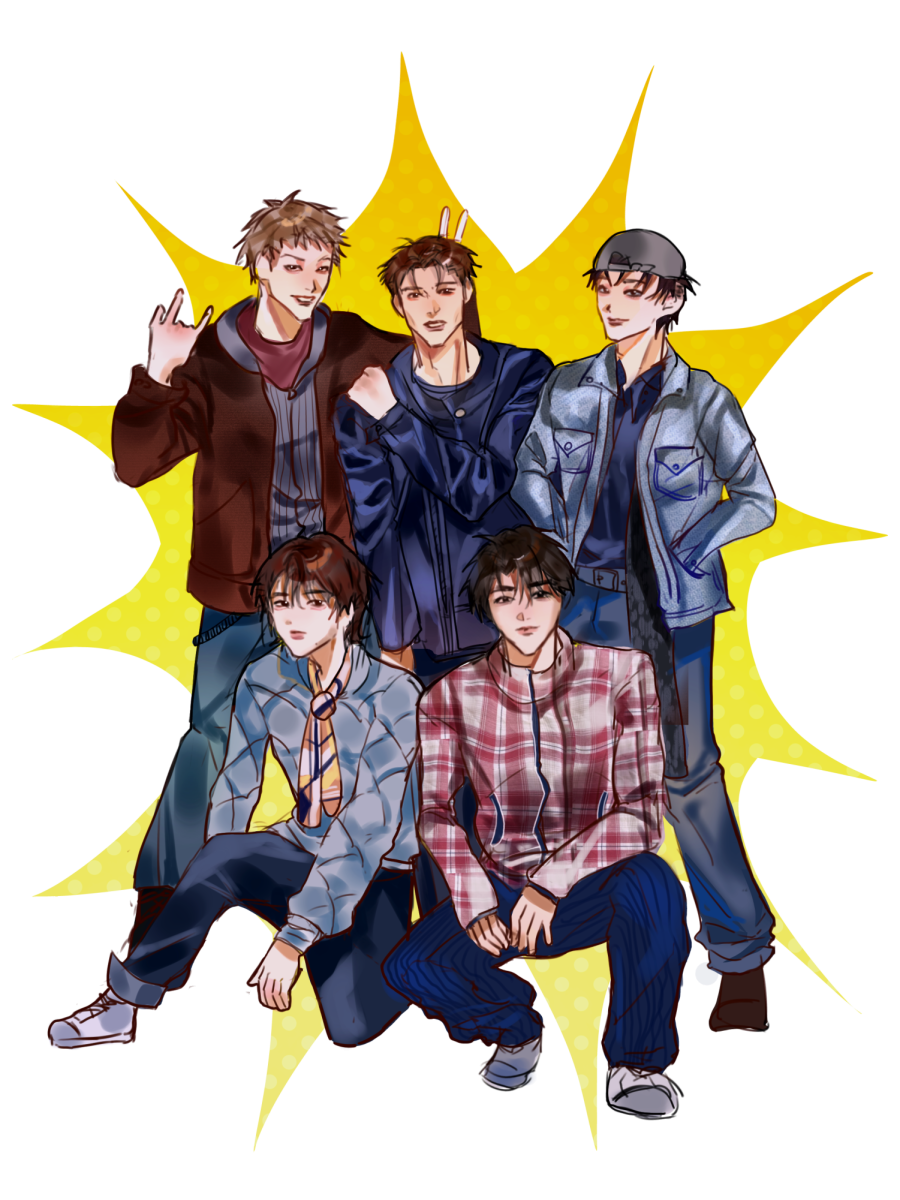
Stranger Things, a sci-fi horror Netflix series centered around a group of teenagers in the 1980s from Hawkins, Indiana and their journey discovering government secrets and monsters from alternate dimensions called the “Upside Down.” Initially, the show began as a horror series, but as the show progressed, repetitive villains and a lack of suspense had creators leaning more into the sci-fi themes.
While the success of the volume one release initially stunned most viewers, a handful quickly began doubting the production and writing of the newest season. Once volume two released, the rapid downward spiral began. The public began noticing extensive filler scenes that didn’t improve or add anything to the story along with corny dialogue and major plot holes that needed to be addressed.
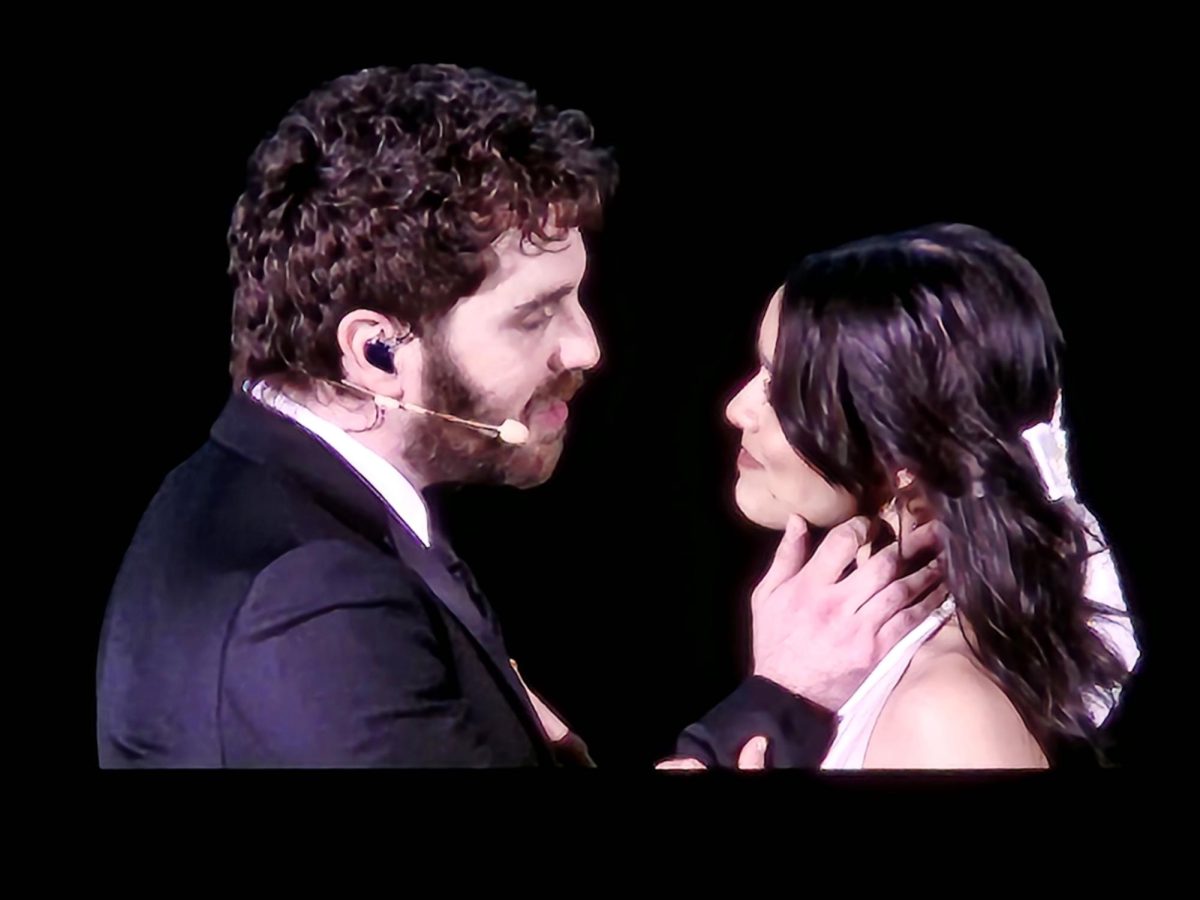
Some of these major plot holes include the disappearance of protagonist Will’s (Noah Schnapp) connection to the hivemind despite being a main source of concern throughout earlier seasons, the unexplained loss of demogorgons and monsters during antagonist Vecna’s (Jamie Campbell Bower) penultimate battle, and the military’s ability to cover up the “Upside Down” disruption from season four. Although season four did change how viewers watched the series — with fans anticipating more twists — these plot points used to be consistent with the storyline. In comparison, fans began to worry about season five as the multitude of subplots began to pile on top of one another, decreasing overall shock value. It seemed that rules from the show could be broken anytime it was convenient for pushing the story forward.
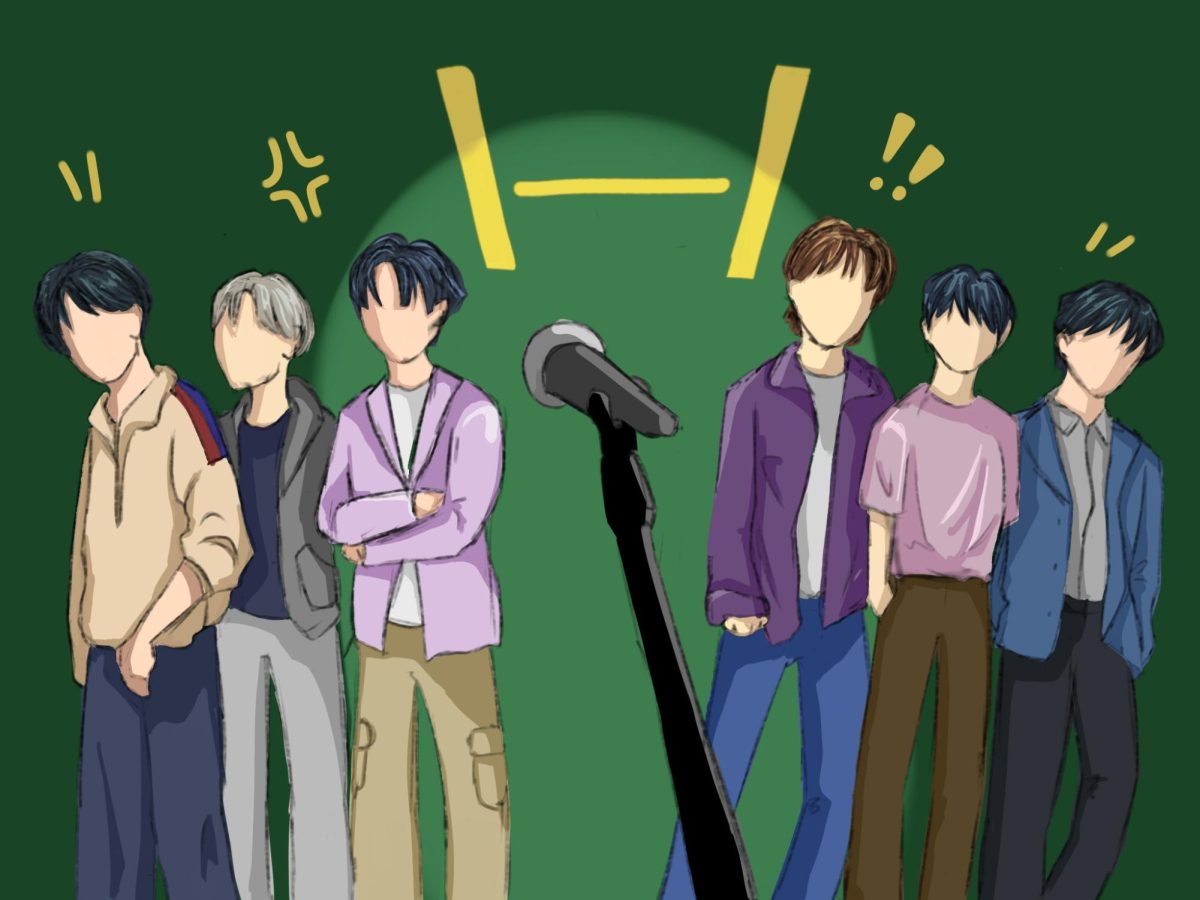
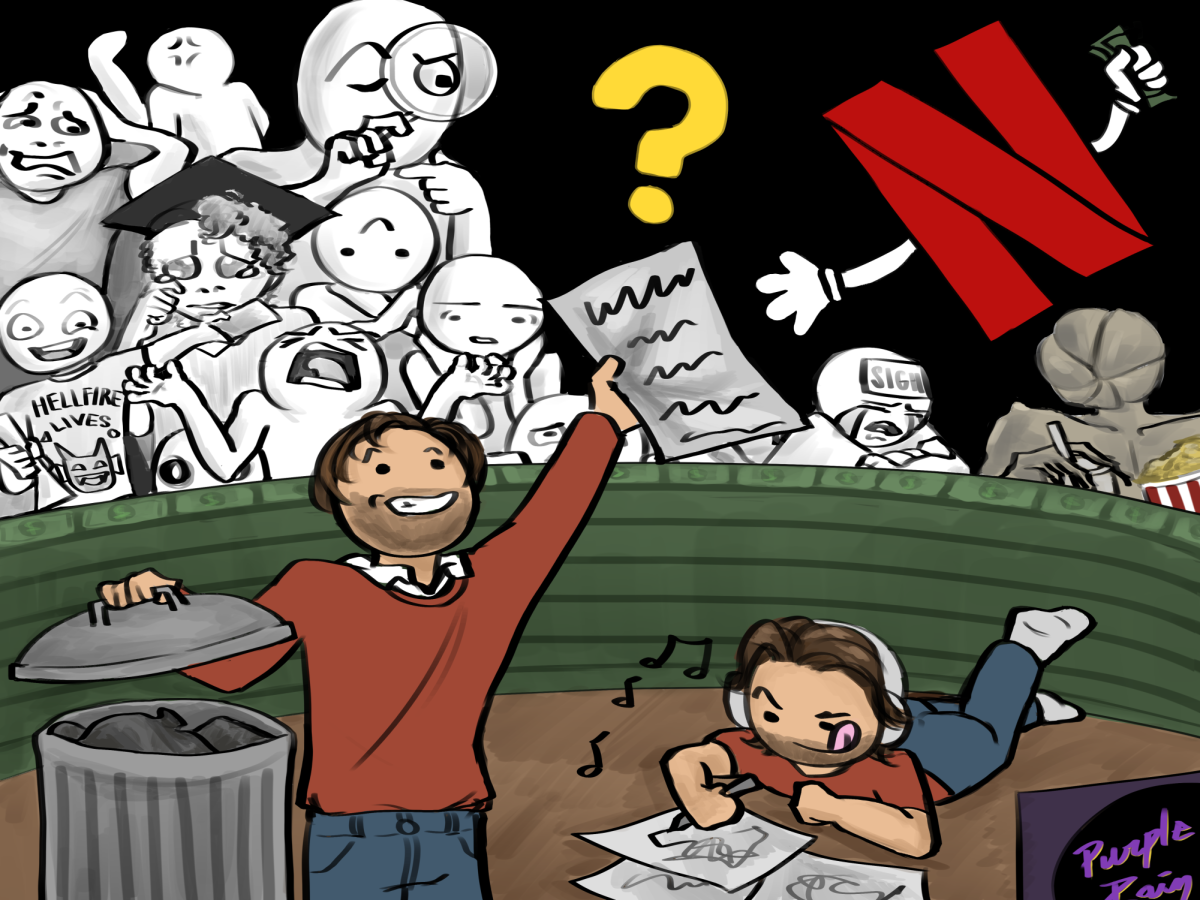
The finale left so many questions unanswered for fans that they even began formulating theories about the show’s true ending. One such popular theory was called “Conformity Gate” — where fans believed that the true finale of the show was going to be released on January 7th. Another theory arose which was called “Divorce Gate”, where fans believed since Ross Duffer divorced his wife — a fellow screenwriter and director — the show’s writing was heavily impacted. In short, fans were in such disbelief with the provided ending that they resorted to conspiracy theories on the internet to cope.
Emotional for some and satisfactory to nearly none, the show’s finale relied heavily on the nostalgia fans felt from years of patronage to the story, its characters, and soundtrack (like the iconic 80’s song, “Purple Rain” by Prince!). Despite good intentions, fans remained upset at the consequence-free ending. The writers’ refusal to commit to either the previous dark and mature themes — with meaningful character deaths and sacrifices — or to a safe ending, where none of the main characters die, ultimately created a confusing conclusion.