









































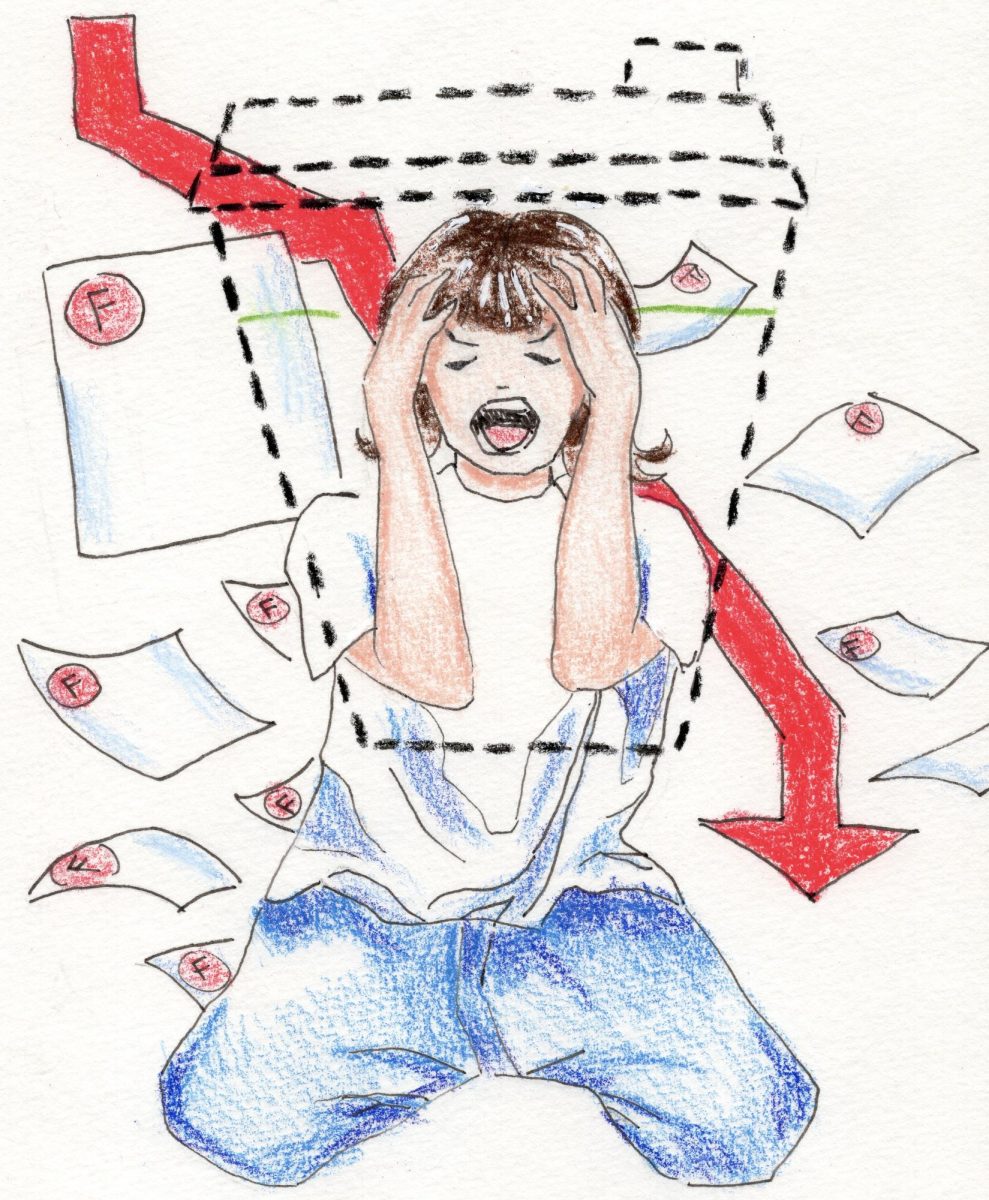

A joke about jumping off a bridge in response to a math test, an AI song about Charlie Kirk: online ‘humor’ may seem inconsequential, but it often disregards the harsh reality it stems from. From the first emoticons to today’s absurdist content, internet humor has acted as a digital glue fostering community and serves as an escapist coping mechanism to real-life stress. Yet, modern internet humor has blurred the line between coping and detachment. By trivializing serious issues like mental health struggles and global conflict, it risks desensitizing users and weakening responses to real-world problems.
Humor is an expected and welcomed part of the internet. A mindless hit of serotonin is the perfect coping mechanism when the world feels full of misfortune. However, constant exposure to this sort of senseless humor changes how people view seriousness: when everything becomes funny, it stops helping and starts numbing.
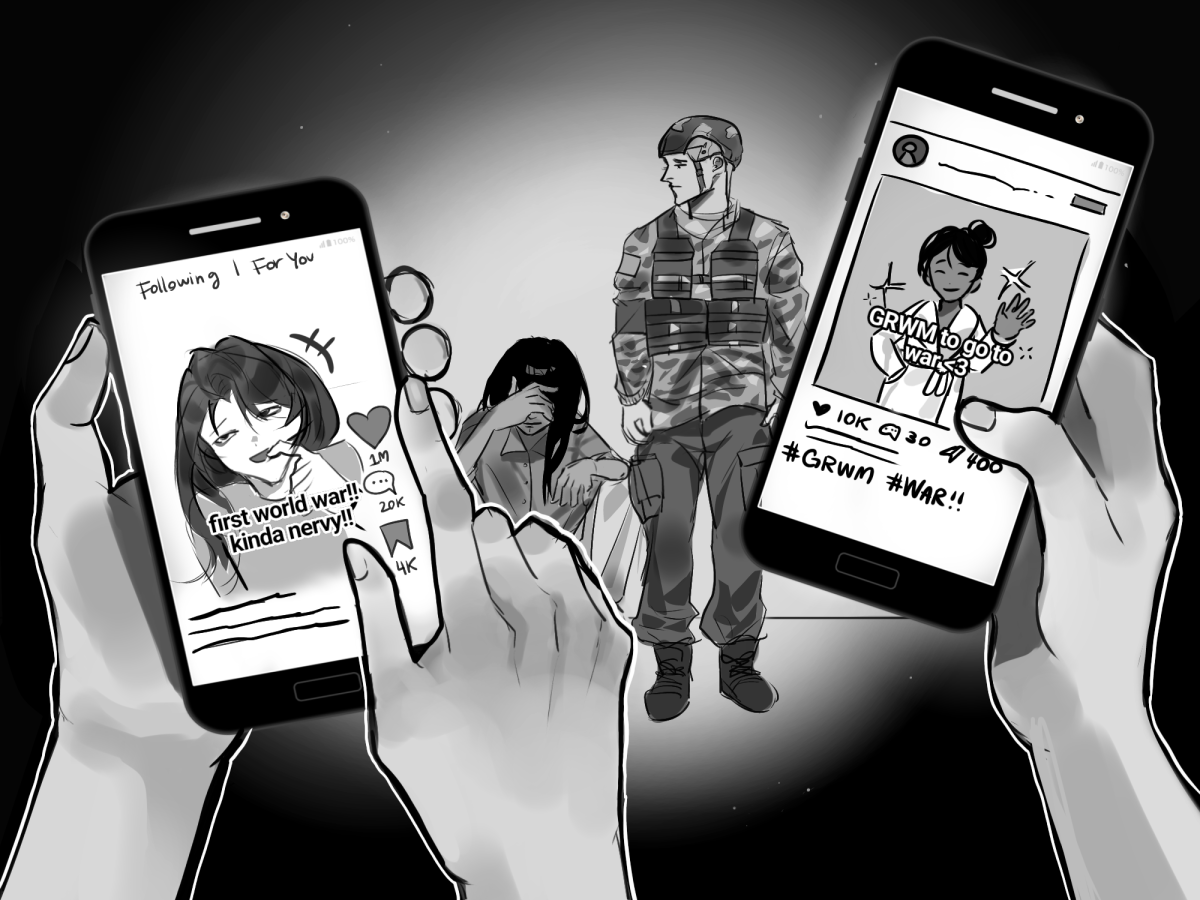
When crisis becomes humor, it loses meaning and society loses empathy–it desensitizes. Crisis events become briefly trending topics; another fad of conversation soon to be discarded once the next humorous trend occurs. Yet, joking about having to enlist in war isn’t funny when real people have been killed. ‘Memifying’ the Epstein Files stops being harmless when real victims are actively fighting for justice. Even personal jokes about suicide become harmful when people really have struggled and lost lives to those same thoughts. The more people start joking about serious topics, the less they care about the harmful reality of their impact.
The internet often claims that this content is simply humor and people can differentiate it from reality. Yet, if it was “just a joke,” there wouldn’t be a war in Iran shipping soldiers to their deaths or civilians and cities bombed in Gaza. The internet’s infinite scroll doesn’t offer time to think or process — it pushes video upon video, affording users seconds to laugh before they scroll. Individuals are psychologically habituated to crisis-humor and every time the internet exposes users to another meme about school shootings or ‘joke’ threat of suicide, society is subconsciously normalizing it.
Ultimately, humor itself isn’t the problem but its dark overuse and context are. It leads to an erosion of empathy creating apathy where serious systemic issues are ignored rather than addressed. Consumers and creators alike must be more aware of what ideas they take in and share, for when tragedy becomes content people lose their ability to care.