


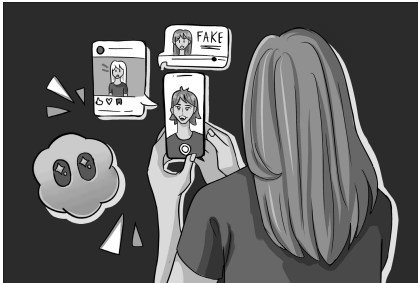






















As ridiculous as it sounds, the latest trend flooding TikTok screens manifests itself in the form of AI-generated fruits. Videos featuring these anthropomorphic animated fruits have racked up millions of impressions; they range from dramatic to completely ludicrous, and almost always involve fruits cheating, abusing, manipulating and fighting each other.
These videos seem like just another brainrot trend that has ensnared the unassuming TikTok consumer. However, when peeling back their layers, a different reality surfaces: rampant misogyny. Littered with sexist stereotypes, AI fruit videos deceive viewers into consuming deeply misogynistic media in which the degradation and humiliation of women is treated as normal.
AI fruit videos inhibit the qualities of a typical TV drama: tumultuous marriages, shocking infidelity, violent altercations. Yet, it’s all a failed rendering; as expected of AI, the animation is choppy and inconsistent, and the storylines rarely make any sense. One video, for example, might involve a strawberry woman who cheats on her strawberry husband with a banana and then gives birth to a baby banana, which makes her husband furious.
It’s the emotional volatility of these videos that trap viewers. They package happiness, sadness, anger, anxiety and surfeit of other emotions into one or two minutes. By cramming as much drama as possible, these videos exploit the human mind’s sensitivity to novelty and surprise. Their brevity also makes them more palatable to viewers, as they don’t require the same attention span a longer film might demand.
Yet, many of these videos spiral into misogyny. In them, fruit women are often shown cheating on their fruit boyfriends and husbands. The fruit women are beaten on, belittled, humiliated. They’re often portrayed as promiscuous, aggressive, and conniving. Some videos go as far as to suggest sexual and domestic violence.
But the misogyny is merely a plot device to heighten drama. There’s no purpose for these videos to portray women with such blatant misogyny, yet they continue to do so. These videos contribute to a culture where sexist stereotypes are digested by Internet users as normal, rather than recognized for the poison that they are.
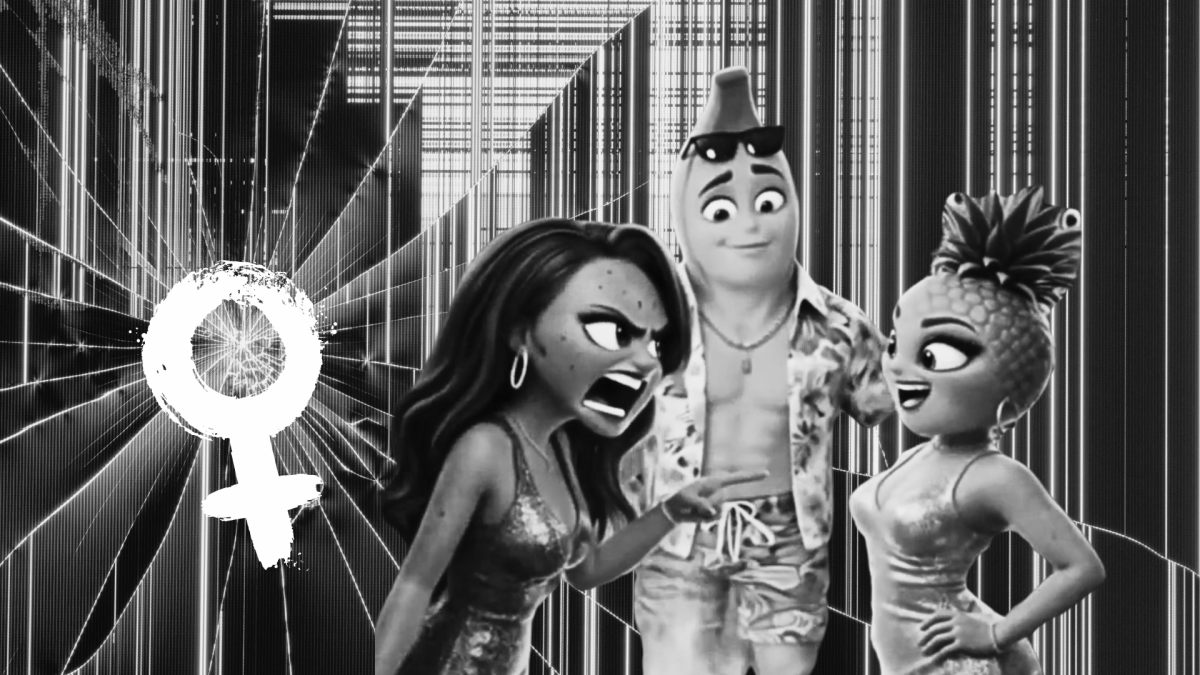
One notable AI fruit content generator is AI Cinema on TikTok, known for “Fruit Love Island,” a parody of the reality dating show Love Island. In the parody’s second episode, two female fruits get into a physical altercation over a male contestant. Given the flawed animation, their punches don’t land quite as well as the misogyny does. The fruit women call each other sexist profanities, and their fighting is made to be a comedic spectacle for viewers. The aggressive, overdramatic woman is already a stereotype that shows like Love Island perpetuate. Like many of its fellow AI fruit dramas, “Fruit Love Island” reinforces the tired trope.
Female storytellers have worked tirelessly to challenge and triumph over the misogyny already ingrained into media. AI-generated videos, whether they involve fruits or not, pose a threat to this progress. Consumers must stop rewarding misogynistic content and undermine the work of actual storytellers, who dedicate time and energy to producing their work. While AI can generate videos in minutes, it cannot mimic the nuance, emotion, and lived experience that human creatives infuse into their work.