
































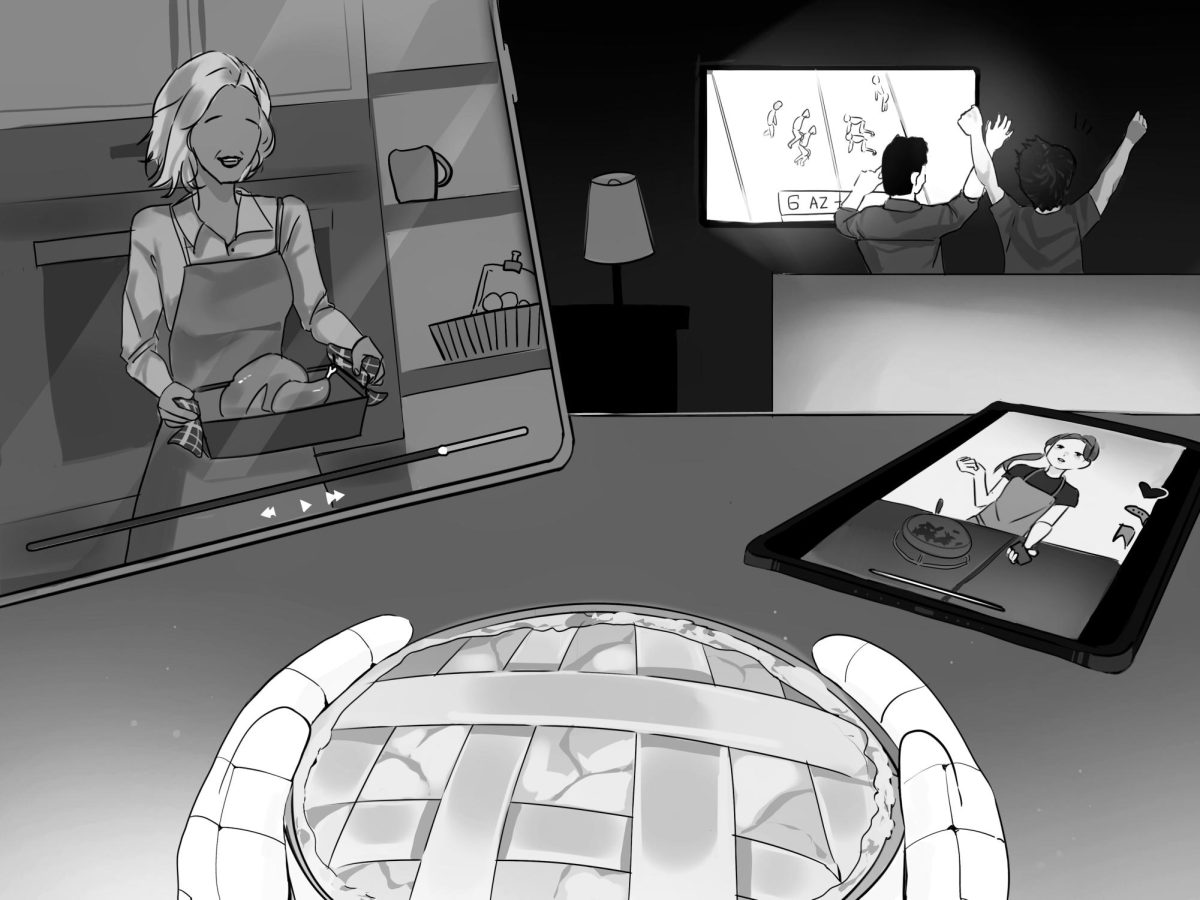
On Thanksgiving Day each year, the same scene plays out across American television: moms, daughters, and aunts busily prepare the Thanksgiving turkey, whose aroma wafts to the living room where dads, sons, and uncles leisurely watch an NFL game on the couch. Though Thanksgiving is meant to celebrate gratitude, popular media and online discourse turn it into a celebration of stereotypical gender norms. The holiday’s representation across TV shows and social media ties women to domestic labor and men to leisure, disguising inequality as tradition.
For instance, in Fuller House (Season 2, Episode 6), daughters DJ, Stephanie, and Kimmy handle Thanksgiving dinner as the men watch football and socialize, reflecting a long-standing stereotype that cooking and hosting are women’s tasks. Another popular trope features men participating in the tasks but comically failing, playing out in Modern Family (Season 6, Episode 8) where Phil fails to cook Thanksgiving dinner and Claire, who didn’t trust him to succeed, secretly prepares a backup turkey to save the meal. Despite differing plots, both assign women a domestic responsibility, reaffirming that women are the family’s competent caretakers.
While many of these Thanksgiving portrayals are decades old, their lasting popularity is part of the problem; despite years of feminist progress, these episodes remain stuck in the past, reinforcing stereotypes as they seasonally resurface.
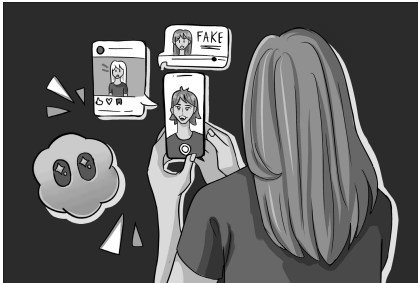
Social media also carries this legacy forward. Online, Thanksgiving content is heavily produced by women posting recipes or creating aesthetic table set-ups. While there is nothing inherently wrong with sharing holiday celebrations online, the public’s reaction exposes clear biases: while women’s holiday content is dismissed as “expected,” social media audiences make a spectacle of men doing the same tasks by flooding comments with praise, reinforcing societal expectations. Such unequal reactions reveal that even as we claim to have made progress in gender equality, the cultural stereotype around “who belongs in the kitchen” is prominent.
This stereotype isn’t just limited to Thanksgiving, a 2019 Pew Research study found that the inequalities were prevalent in everyday cooking as well, as 80% of mothers usually prepare meals as opposed to 19% of fathers. This proves how media depictions reflect those norms, while also simultaneously reinforcing them.
Some argue that women genuinely enjoy cooking and that holiday traditions reflect personal rather than misogyny. While many women may have a genuine interest, such reasoning fails to recognize the perceptions in the media of correlating cooking with gender by praising men for it while expecting it of women, making cooking a gendered activity. True equality is freedom to choose roles and not be assigned to them.
As a holiday for expressing gratitude, Thanksgiving should not reinforce gendered stereotypes that normalize and ignore the invisible labor of women who prepare the celebration. The burden of preparation shouldn’t fall on one gender and therefore, it’s crucial to reimagine Thanksgiving traditions; brands and media can help shape that image by portraying equal representation in cooking and leisure activities. The media holds both the power and responsibility of rewriting the gender roles it’s perpetuated.